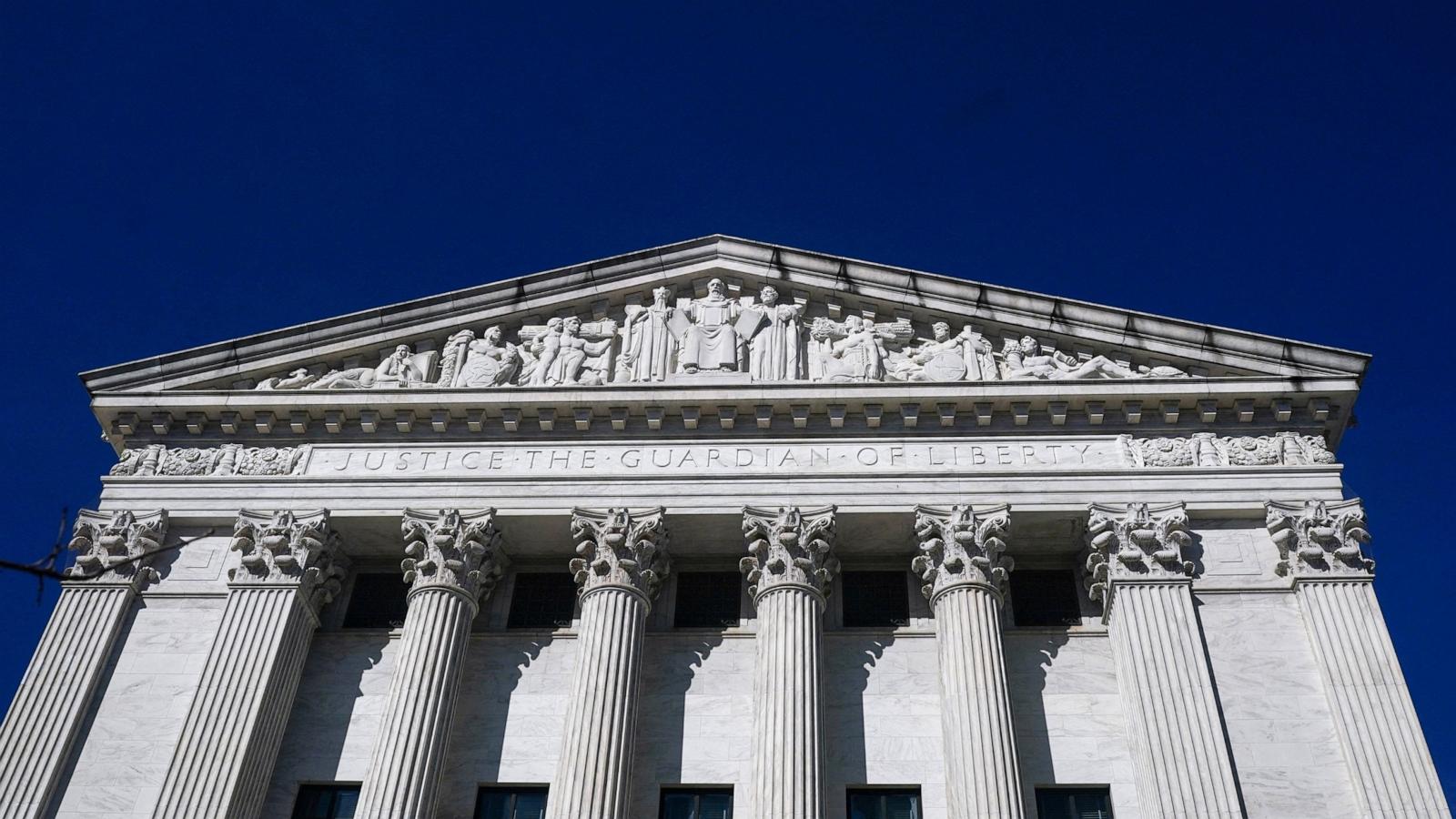
5 things to know about the Supreme Court's landmark decision on the Voting Rights Act
Summary
The U.S. Supreme Court ruled in Louisiana v. Callais that creating voting districts based on race violates the Constitution. This decision changes how the Voting Rights Act can be used to protect minority voting power, limiting the federal government's ability to address racial discrimination in elections.Key Facts
- The Supreme Court struck down Louisiana’s second majority-Black congressional district.
- The Court ruled that using race to draw voting districts is unconstitutional under the Equal Protection Clause.
- This decision reverses a decades-old rule allowing remedies for racial vote dilution under Section 2 of the Voting Rights Act.
- Section 2 of the Voting Rights Act had allowed courts to require states to create majority-minority districts to prevent discrimination.
- The ruling removes a key way the Voting Rights Act could protect minority voters, weakening its enforcement.
- Chief Justice Roberts, who wrote the Shelby County v. Holder decision in 2013 limiting the Voting Rights Act, was behind this broader move against race-conscious voting measures.
- The decision represents a major change in how courts view voting rights and racial equality under the Constitution.
Read the Full Article
This is a fact-based summary from The Actual News. Click below to read the complete story directly from the original source.