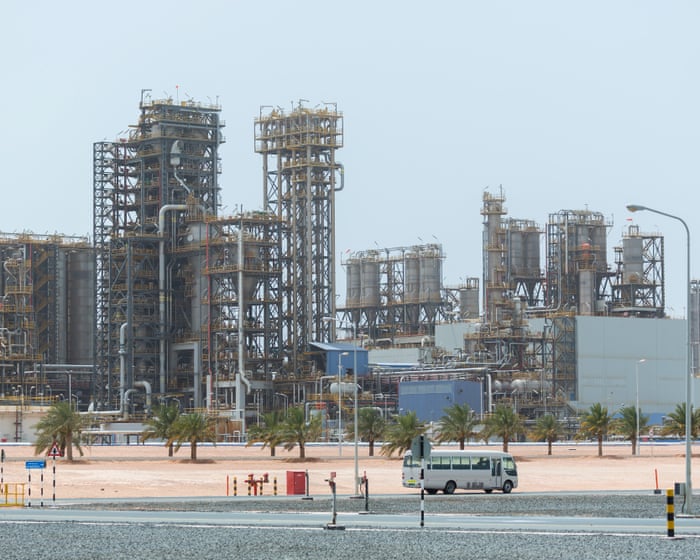
The Guardian view on the UAE quitting Opec: whatever importers pay, the price of fossil fuels is too high | Editorial
Summary
The United Arab Emirates (UAE) announced it is leaving the oil group OPEC after 60 years. This move comes during a major global oil supply crisis and reflects growing tensions between the UAE and Saudi Arabia, as well as changing regional politics.Key Facts
- The UAE has been a member of OPEC for 60 years and is now leaving the group.
- OPEC’s influence has shrunk from about half of world oil output in the 1970s to around a quarter today.
- The UAE wants to produce more oil, while Saudi Arabia supports limiting oil production to keep prices high.
- The UAE’s departure weakens OPEC’s ability to control oil markets and may cause more price swings.
- The decision is linked to regional conflicts, including rivalry with Saudi Arabia and tensions with Iran.
- The UAE faces greater regional risks and may rely more on uncertain US support.
- Some fear this move could slow down the switch to renewable energy by keeping fossil fuel prices unpredictable.
- The announcement came as global leaders met to discuss renewable energy transitions.
Read the Full Article
This is a fact-based summary from The Actual News. Click below to read the complete story directly from the original source.