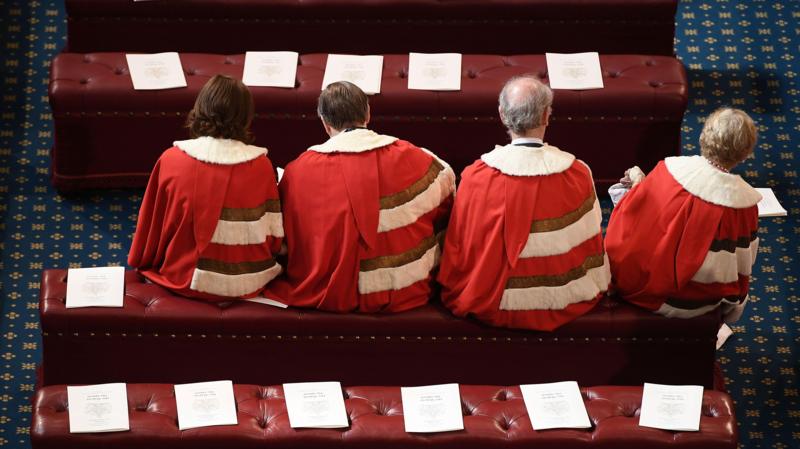
Hereditary peers' last hurrah as 700-year-old system abolished
Summary
The UK has ended the long-standing tradition of hereditary peers sitting in the House of Lords, a practice lasting nearly a thousand years. A new law has removed the remaining hereditary peers from their seats, although some will stay as life peers to maintain experience.Key Facts
- Hereditary peers inherit their titles and the right to sit in the House of Lords through family lines.
- Most hereditary peers lost their seats in 1999, but 92 remained after a political compromise.
- A new law passed in 2024 removes all remaining hereditary peers from the House of Lords.
- Some Conservative and crossbench members will be appointed as life peers to keep the Lords functioning effectively.
- Life peers are appointed members, not hereditary, and currently number about 700 in the House of Lords.
- The House of Lords also includes 26 Church of England bishops and archbishops.
- There are plans for further reforms, such as requiring members to participate actively and setting a retirement age.
- Some former hereditary peers expressed regret, saying the change shifts power too much toward political appointees.
Read the Full Article
This is a fact-based summary from The Actual News. Click below to read the complete story directly from the original source.