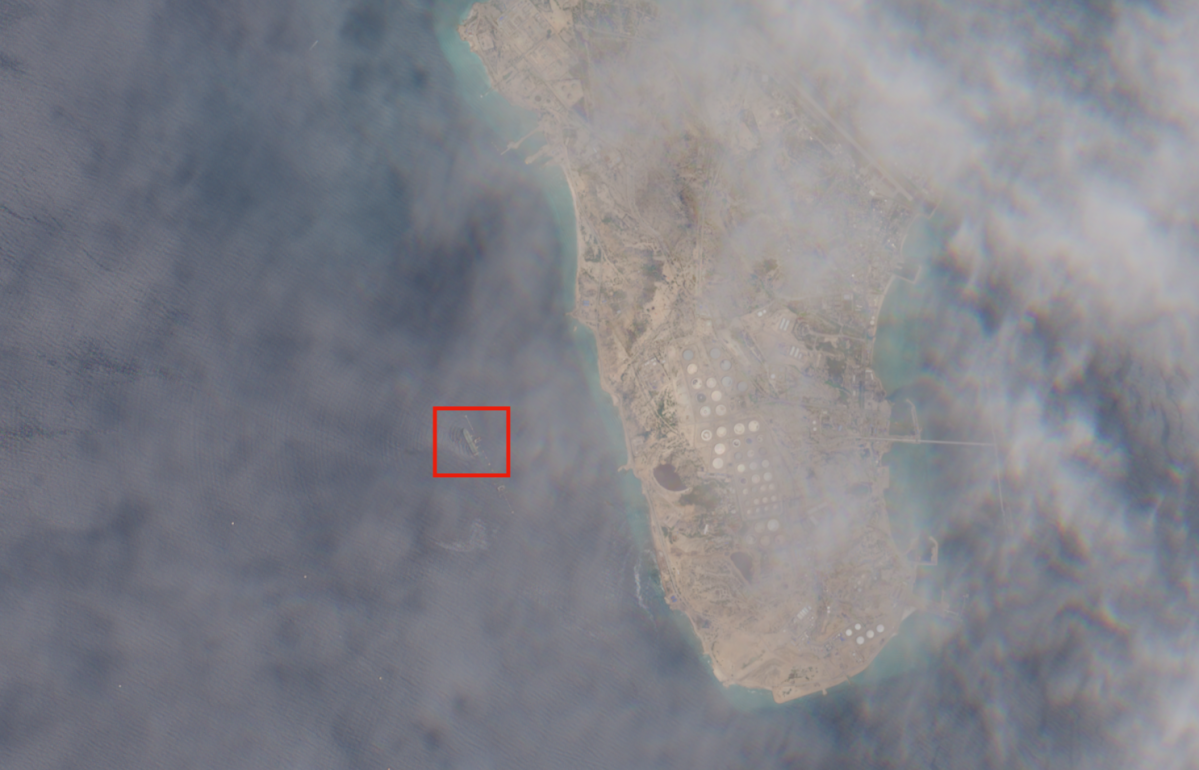
Iran’s Leaders Turn to Old Supertanker to Survive US Blockade
Summary
Iran is using a 30-year-old oil tanker called Nasha to store oil because U.S. sanctions and a naval blockade are stopping it from exporting oil. The blockade is causing a buildup of oil tankers near Iran’s ports, limiting Iran’s ability to sell its oil and forcing it to find ways to store more.Key Facts
- Iran deployed the old supertanker Nasha, which can hold 2 million barrels of oil, to store oil near its main export terminal, Kharg Island.
- The U.S. naval blockade is preventing Iranian oil tankers from leaving ports, causing many ships to be stuck waiting.
- The U.S. claims to have contained more than 20 ships at Iran’s Chabahar port on the Gulf of Oman.
- Iran has about 18 empty supertankers that could store oil, but none have succeeded in breaking through the blockade so far.
- Years of sanctions led to a market of old tankers sold to Iran’s “ghost” fleet, which often have poor maintenance and environmental risks.
- Iran has roughly 20 days of onshore and floating oil storage left before it must reduce oil production significantly.
- Over 90% of Iranian oil is sold cheaply to small refineries in China, providing some revenue despite the blockade.
- The U.S. naval blockade aims to pressure Iran into negotiations and impacts global oil flow through the Strait of Hormuz, a key oil shipping route.
Read the Full Article
This is a fact-based summary from The Actual News. Click below to read the complete story directly from the original source.