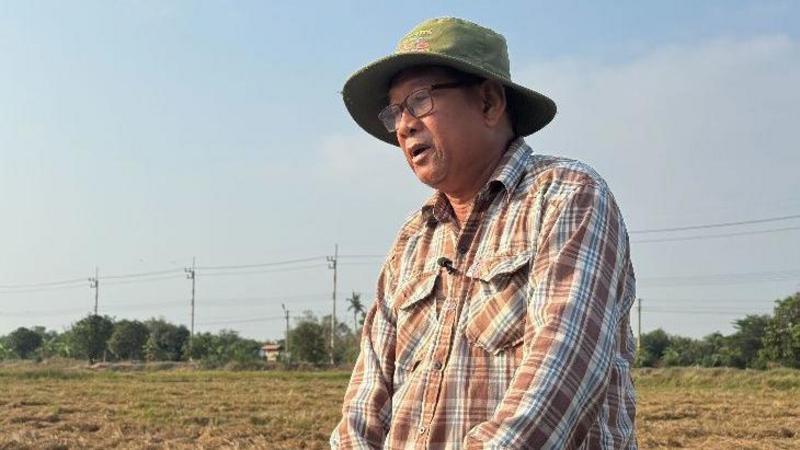
It's not just oil: Iran war also threatens Asia's food security
Summary
A war involving Iran has disrupted global fertilizer supplies, causing prices to rise sharply in Asia. This shortage threatens rice farmers in countries like Thailand and Vietnam, who now face tough decisions about planting their crops, risking food security in the region.Key Facts
- The war started on 28 February with attacks by the US and Israel on Iran, closing the Strait of Hormuz, a key route for fertilizer shipments.
- About one-third of the world’s seaborne fertilizer trade passes through the Strait of Hormuz.
- The price of urea fertilizer increased by over 40% shortly after the Strait closed.
- China, the largest fertilizer producer and exporter, banned exports of several important fertilizers in March to protect its own supply.
- China accounts for 25% of global fertilizer production and exports more than $13 billion worth annually.
- Between 50% and 80% of China’s fertilizer exports are now restricted.
- Many farmers in Southeast Asia report fertilizer shortages and higher costs, forcing some to consider not planting crops this season.
- China’s move to restrict exports is linked to its domestic policy aimed at ensuring self-sufficiency in grain production.
Read the Full Article
This is a fact-based summary from The Actual News. Click below to read the complete story directly from the original source.