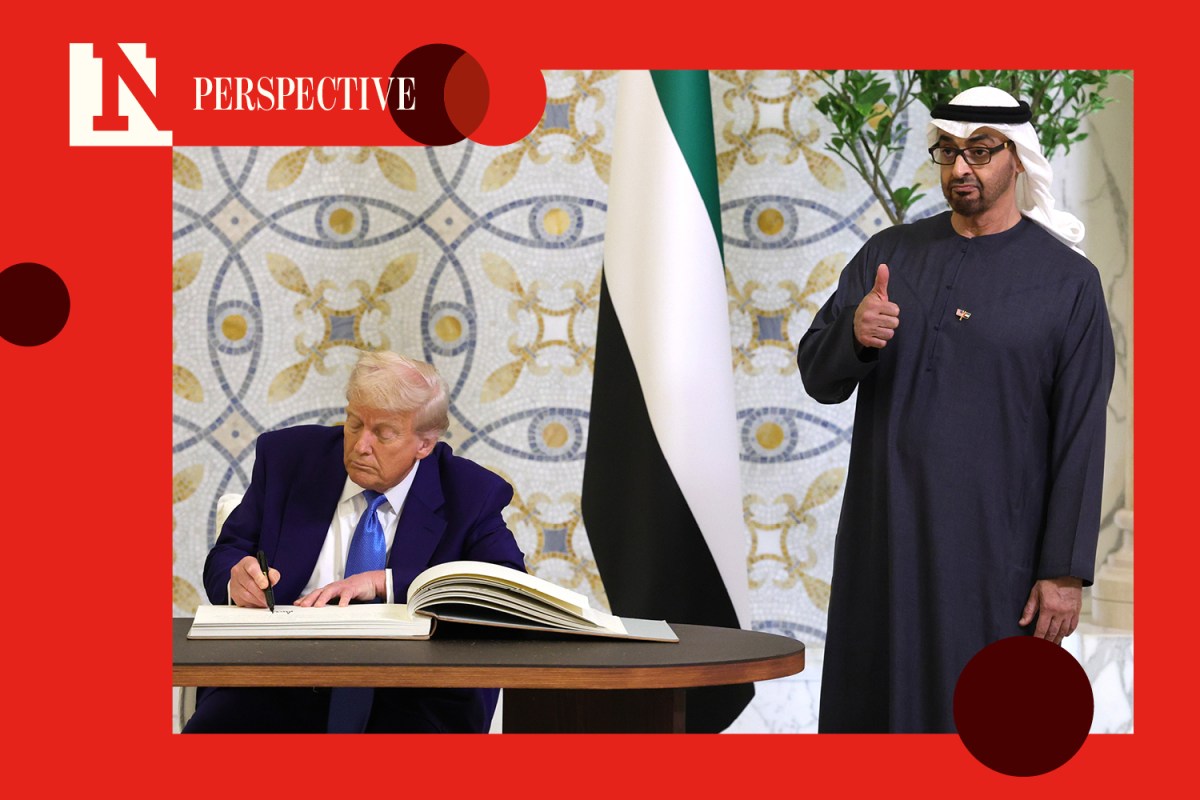
The UAE Realizes What Trump and OPEC Won't Admit: We've Hit Peak Oil
Summary
The United Arab Emirates (UAE) announced it will leave the oil group OPEC, ending its 59-year membership. This move reflects the UAE’s plan to produce more oil independently as global demand for oil may have already peaked or is about to. The UAE wants more control over its oil production amid changes in the global energy market and regional tensions.Key Facts
- The UAE will leave OPEC on May 1 after being a member for 59 years.
- UAE Energy Minister Suhail Al Mazrouei said the decision was based on national interests, not conflicts with other OPEC members.
- The move challenges Saudi Arabia’s control over global oil prices through OPEC’s production limits.
- The UAE faces missile and drone attacks from Iran, which restrict its oil exports via the Strait of Hormuz.
- Experts say global oil demand may have peaked or will soon, changing how oil producers behave.
- OPEC tries to keep oil prices high by limiting production, which works only if demand grows.
- The UAE now plans to increase oil production capacity to 5 million barrels per day by 2027.
- President Trump promotes increased drilling in the U.S., assuming oil demand will keep rising.
Read the Full Article
This is a fact-based summary from The Actual News. Click below to read the complete story directly from the original source.