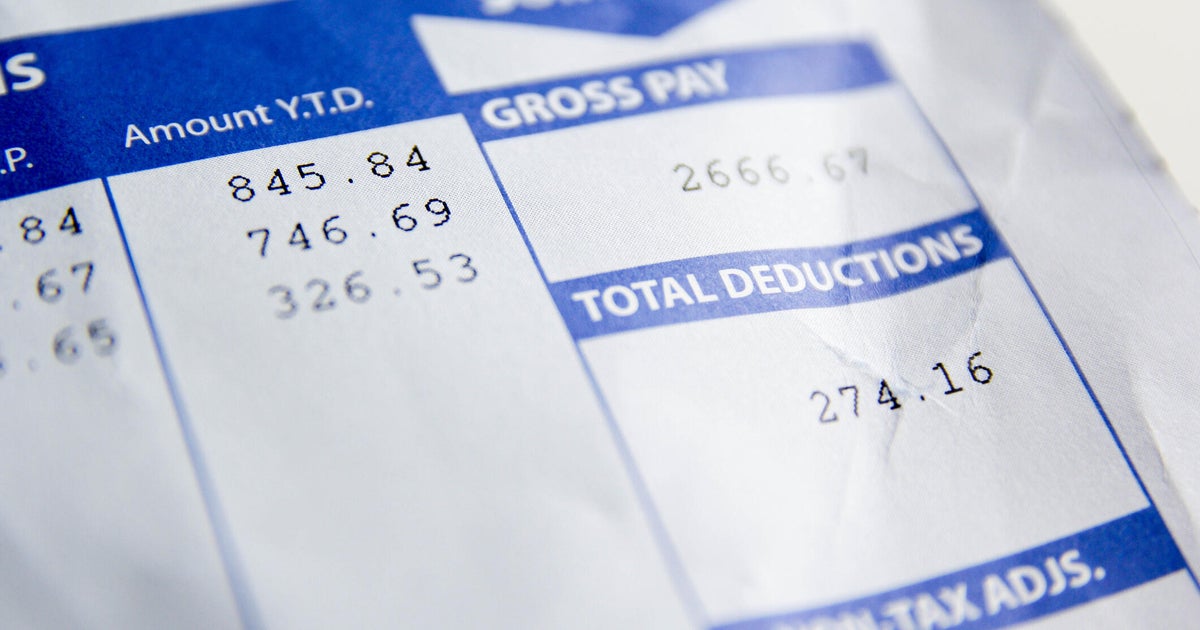
What does your paycheck look like before and after wage garnishment?
Summary
A wage garnishment is a legal order that requires an employer to take part of a worker’s paycheck and send it to a creditor. This can lower the amount of money a person takes home, sometimes by as much as 25% of their disposable income. Garnishments happen when people fall behind on debts, and they affect budgets by reducing the money available for daily expenses.Key Facts
- Wage garnishment happens when a court orders part of your paycheck to go to a creditor.
- The amount taken is usually limited by federal law to the lesser of 25% of disposable income or the amount over 30 times the federal minimum wage.
- Disposable income means what is left after taxes and required deductions are taken from your gross pay.
- Some debts, such as unpaid taxes, child support, or student loans, may have higher garnishment limits.
- Lower-income earners are protected by law to ensure some earnings remain for essentials, sometimes resulting in garnishments less than 25%.
- A moderate-income worker with $750 disposable weekly income could lose about $187.50 to garnishment.
- Wage garnishments reduce the money people have to pay rent, buy food, and cover utilities.
- This process becomes more common as more people fall behind on debt amid economic pressures.
Read the Full Article
This is a fact-based summary from The Actual News. Click below to read the complete story directly from the original source.