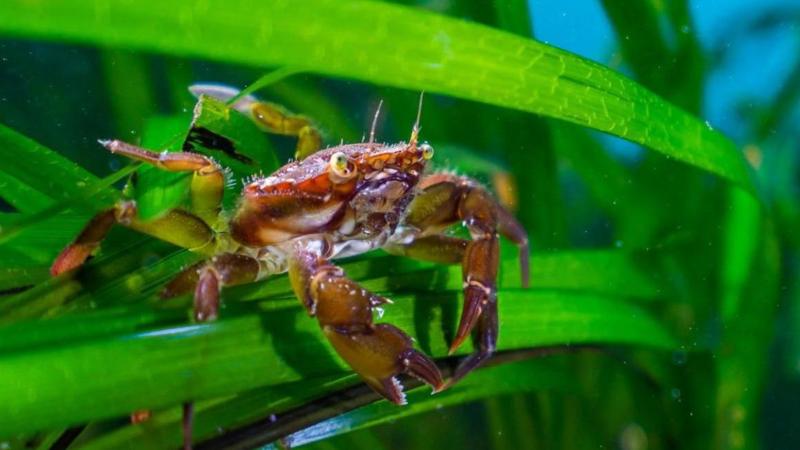
Sewage and agricultural pollution having 'alarming' impact on UK's underwater forests
Summary
Sewage and farming pollution are harming underwater seagrass meadows around the UK. This pollution causes too many nutrients in the water, which helps algae grow and smothers the seagrass, reducing the number and types of small animals living there.Key Facts
- Seagrass meadows are important underwater habitats that support many small animals like crabs, shrimps, and snails.
- Pollution from sewage, fertilisers, manure, and industry increases nutrients such as nitrogen and phosphorus in coastal waters.
- Excess nutrients cause algae to grow, blocking sunlight and lowering oxygen, which harms seagrass and its animal life.
- A study of 16 UK coastal sites found higher nitrogen levels linked to about a 90% drop in small animal numbers living in seagrass areas.
- Phosphorus pollution especially damages life in lagoon environments.
- The worst-affected areas include the Thames estuary, Firth of Forth, and parts of Wales like Skomer Island.
- Cleaner waters with less pollution, such as around the Isles of Scilly and Orkney Islands, have many more animals living in seagrass meadows.
- Scientists warn that pollution on land is affecting marine life and biodiversity in UK coastal waters.
Read the Full Article
This is a fact-based summary from The Actual News. Click below to read the complete story directly from the original source.