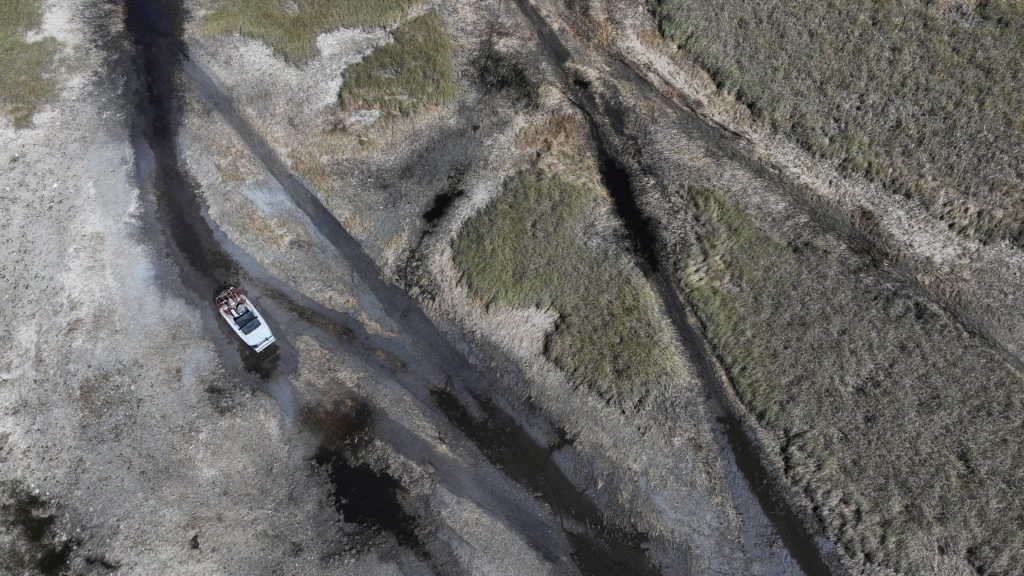
What Florida's extreme drought means for the upcoming hurricane season
Summary
Florida is facing a severe drought that has caused wildfires and forced evacuations. Experts say this drought does not directly affect hurricane activity, which depends more on ocean temperatures and wind conditions influenced by climate patterns like El Niño and La Niña.Key Facts
- Over half of Florida is in "extreme drought," and 22% is in "exceptional drought," the highest level.
- Florida Governor Ron DeSantis mentioned that droughts might lead to less active hurricane seasons, but experts say there is no proof of this.
- Hurricane seasons depend mainly on sea surface temperatures and wind shear in the Atlantic Ocean region, especially the Gulf of Mexico and Caribbean Sea.
- Warm ocean waters help hurricanes grow, while low wind shear allows storms to strengthen without breaking apart.
- The current transition to a strong El Niño suggests the upcoming hurricane season might be quieter.
- La Niña, a cooler ocean pattern, usually supports more hurricanes, while El Niño, a warmer ocean pattern, tends to reduce hurricane activity.
- Past years like 1998 showed that droughts can happen alongside busy hurricane seasons, showing no direct link between drought and fewer hurricanes.
- Drought conditions in Africa can affect hurricane formation by reducing thunderstorms that become tropical storms in the Atlantic.
Read the Full Article
This is a fact-based summary from The Actual News. Click below to read the complete story directly from the original source.