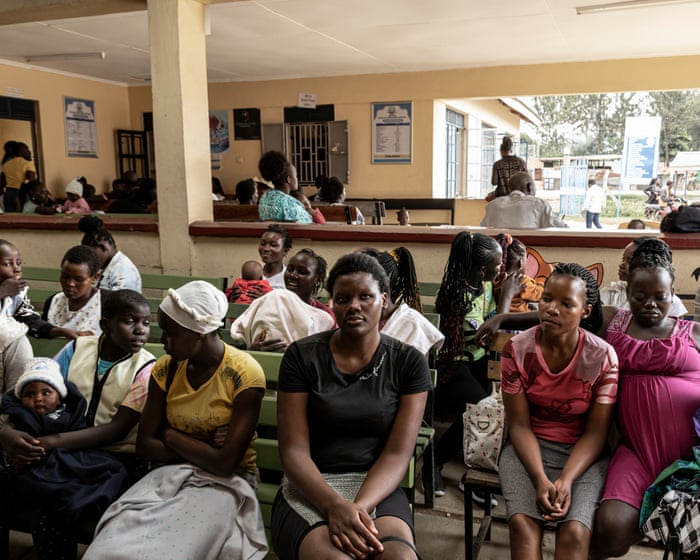
Flaws in Kenya’s AI-driven health reforms driving up costs for the poorest
Summary
Kenya launched a new AI-driven healthcare system in October 2024 to replace its old insurance program and improve access for informal workers. An investigation found that the AI system is charging poor people too much by overestimating their incomes, while charging wealthier people too little, causing protests and difficulties accessing care.Key Facts
- Kenya’s new healthcare system uses a computer program (machine learning algorithm) to predict how much people should pay for health insurance.
- The system was a key promise by President William Ruto to expand affordable care to informal workers making up 83% of the workforce.
- The AI aims to calculate fees by asking households detailed questions about their living conditions and possessions.
- Investigations showed the AI overcharges the poorest people by estimating their incomes too high.
- Wealthier individuals are undercharged because the system underestimates their income.
- Many poor families are paying between 10% and 20% of their small incomes as premiums.
- Some critically ill people cannot access treatment because they cannot afford the fees the system assigns.
- The Social Health Authority faces criticism for misclassifying people and setting premiums that many cannot understand or afford.
Read the Full Article
This is a fact-based summary from The Actual News. Click below to read the complete story directly from the original source.