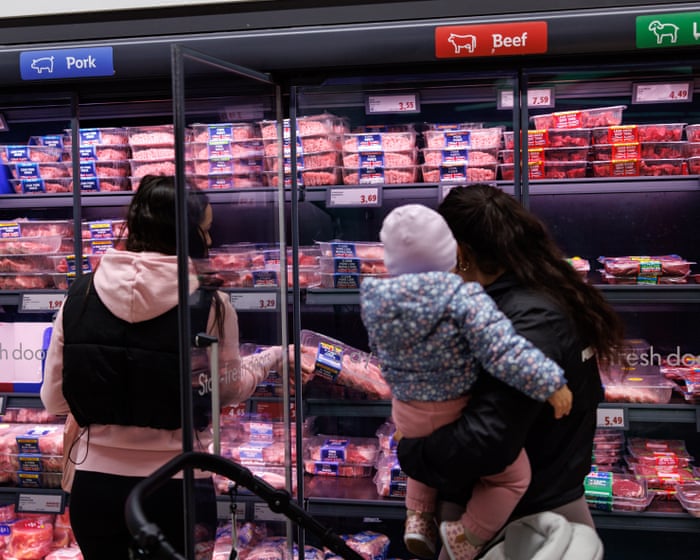
UK food prices on track to rise by 50% since start of cost of living crisis
Summary
Food prices in the UK are set to be 50% higher in November 2026 than when the cost of living crisis began in 2021. Rising costs are driven by factors like climate change, higher energy prices, and global conflicts, making everyday grocery bills much more expensive for families.Key Facts
- Food prices have increased as much in five years as they did in the previous 20 years combined.
- Climate events such as droughts, floods, and heatwaves, along with higher energy and fertiliser costs, have pushed prices up.
- Foods like pasta, frozen vegetables, chocolate, and eggs cost at least 50% more than five years ago; beef prices rose 64%, and olive oil prices more than doubled.
- The Bank of England expects food inflation to reach 7% by the end of 2026.
- Rising food costs have added about £605 to the average household food bill over 2022 and 2023.
- The war in the Middle East has increased oil and gas prices, which also raises food prices.
- Climate change combined with the El Niño weather pattern may cause even higher food inflation soon.
- When adjusting for wages, food prices have risen 11% since the start of the crisis, adding to other costly household bills like energy and water.
Read the Full Article
This is a fact-based summary from The Actual News. Click below to read the complete story directly from the original source.