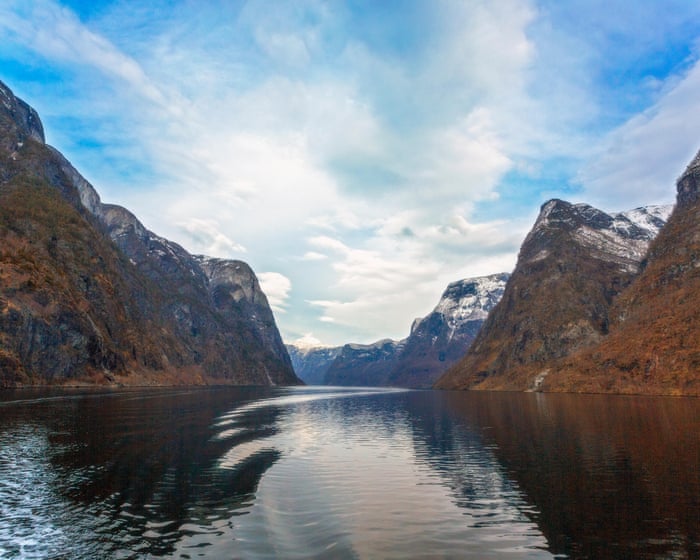
Norwegian fish farms polluting fjords with waste likened to ‘raw sewage of millions of people’
Summary
Norwegian fish farms are releasing large amounts of nutrients into fjords and coastal waters, equal to the untreated sewage of millions of people each year. This pollution can cause harmful algal blooms and reduce oxygen in the water, threatening marine ecosystems.Key Facts
- Norway is the world’s largest producer of farmed salmon.
- Fish farms released about 75,000 tons of nitrogen, 13,000 tons of phosphorus, and 360,000 tons of organic carbon in 2025.
- These amounts are similar to the untreated sewage from tens of millions of people.
- Nutrient pollution comes from fish waste and uneaten feed in open-net cages.
- Pollution levels have increased as the aquaculture industry has grown by nearly 15% over six years.
- Fjords, being partly enclosed, accumulate nutrients more easily and are vulnerable to low oxygen caused by algae growth.
- Oxygen levels in Norway’s longest fjords, like Sognefjord and Hardangerfjord, have been declining partly due to this pollution and warming waters.
- Norwegian authorities have started rejecting new fish farm applications in some fjords to limit pollution.
Read the Full Article
This is a fact-based summary from The Actual News. Click below to read the complete story directly from the original source.