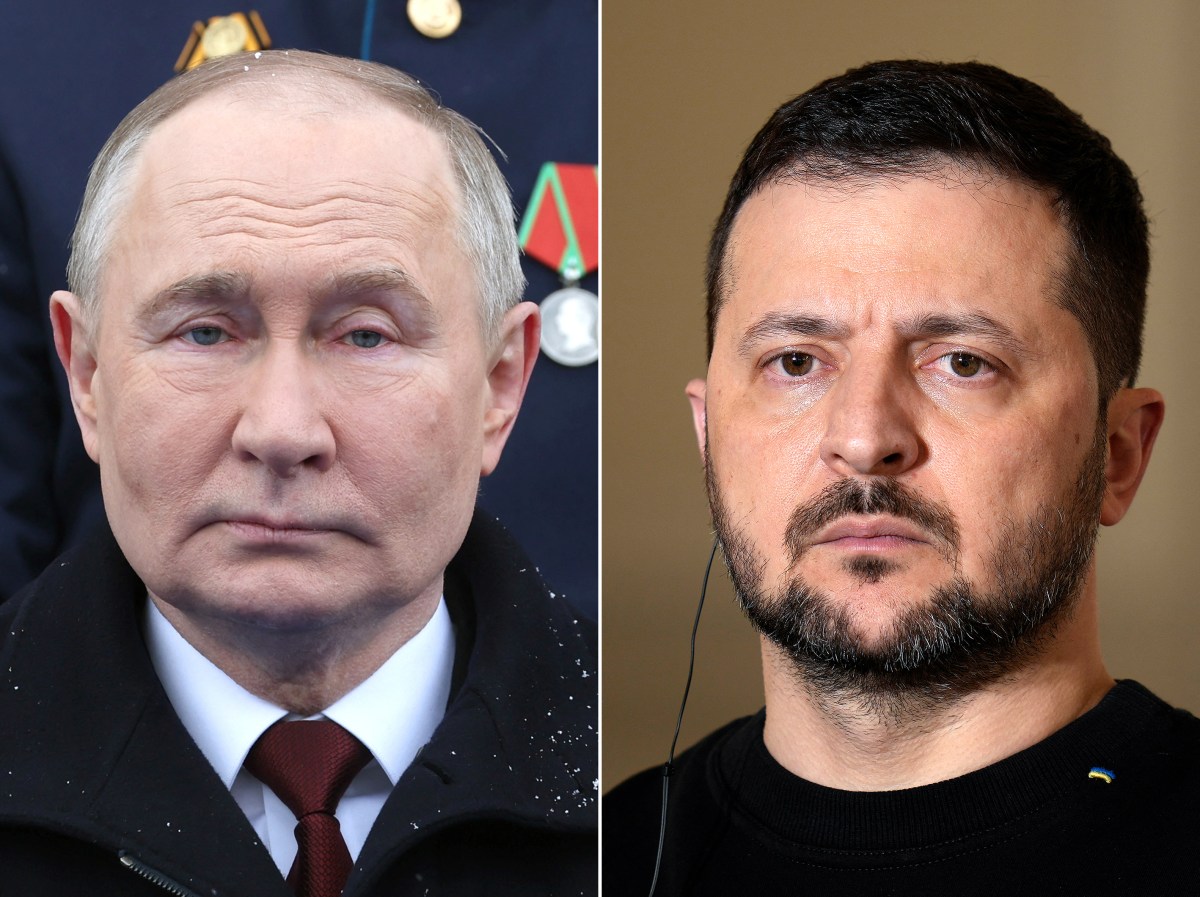
Putin and Zelensky Declare Competing Ceasefires–What It Means for War
Summary
Russia and Ukraine have each announced different short-term ceasefires around the anniversary of Victory Day on May 9, a day marking the Soviet Union's victory over Nazi Germany in World War II. Despite these calls for pauses in fighting, distrust remains high and the ongoing conflict, which began when Russia invaded Ukraine, shows no clear end.Key Facts
- Russia planned a scaled-back Victory Day event with no military displays and called for a ceasefire on May 8 and 9.
- Ukrainian President Zelensky said Ukraine would start a unilateral ceasefire on May 5, maintaining it if Russia does the same.
- Russia's Defense Ministry warned that attacks on Moscow during Victory Day would lead to heavy strikes on Kyiv.
- Past ceasefires during the war have quickly broken down with accusations of violations from both sides.
- Russia wants Ukrainian forces to leave parts of the Donbas region, but Ukraine refuses.
- Ukrainian troops continue to resist Russian offensives in areas around Kharkiv and Kupiansk.
- Moscow says peace talks with Ukraine are not a priority and progress remains blocked.
- Observers say any brief ceasefire may serve Russian interests by allowing their celebration without interruption.
Read the Full Article
This is a fact-based summary from The Actual News. Click below to read the complete story directly from the original source.