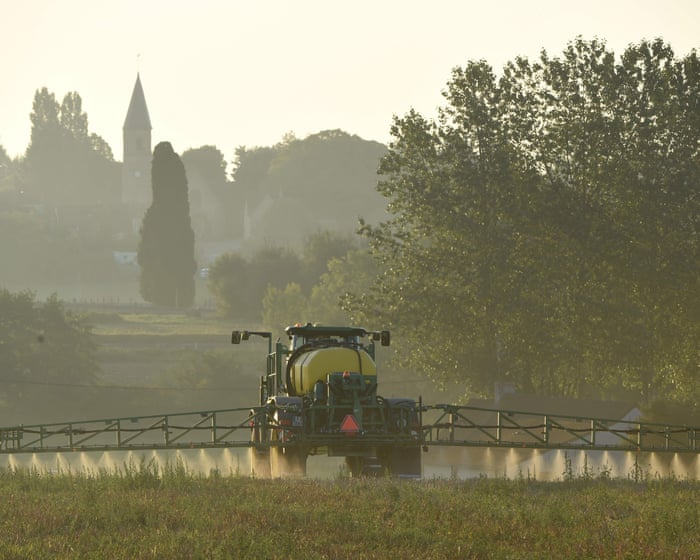
EU trade deal could force UK to restrict use of weedkiller linked to cancer
Summary
A new trade deal between the UK and the EU could require the UK to limit the use of glyphosate, a weedkiller banned in Europe due to health concerns. UK officials are negotiating terms that may align the UK with EU pesticide rules, affecting how glyphosate is used on food crops before harvest.Key Facts
- Glyphosate is a herbicide that kills almost all plants and is sprayed on cereal and pulse crops before harvest to dry them out.
- The EU banned the pre-harvest use of glyphosate in 2023 because of worries about its effects on human health.
- The UK is negotiating an agreement with the EU that might force it to adopt similar glyphosate restrictions.
- The World Health Organization classified glyphosate as “probably carcinogenic to humans” in 2015.
- Scientists found glyphosate can cause genetic damage, stress on cells, and hormone problems.
- Despite concerns, glyphosate residues were found in 41% of UK cereal crops from 2016 to 2023, and 28% of UK bread samples in 2024.
- The UK’s Ministry of Environment is talking with the EU but has not given details, while the chemical industry is pushing to renew glyphosate licenses.
- Many people in the UK are not aware of glyphosate use, but most worry about long-term exposure to chemicals in food.
Read the Full Article
This is a fact-based summary from The Actual News. Click below to read the complete story directly from the original source.