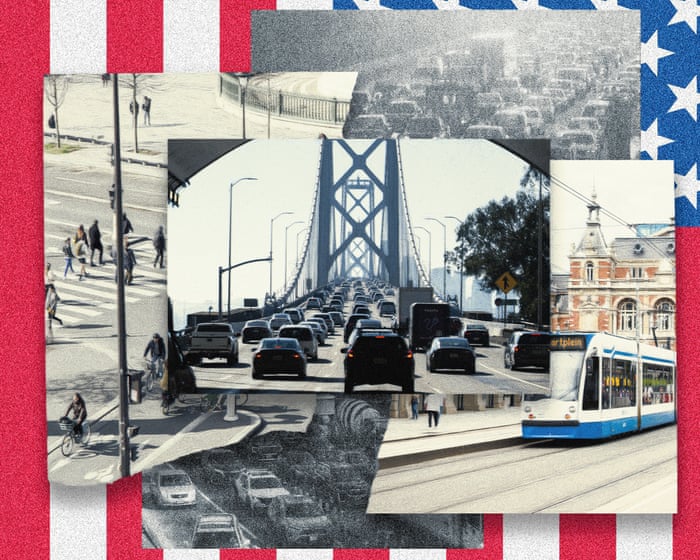
How car-loving American cities fell so far behind their global peers on public transit
Summary
Many large U.S. cities have much less public transportation compared to similar cities in other countries. A report found that improving public transit in the U.S. to world-class levels would require $4.6 trillion and huge new infrastructure over 20 years. This gap affects how people travel, the environment, and costs related to driving.Key Facts
- Houston, the fourth-largest U.S. city, has only one small Amtrak train station with very limited service.
- American cities like Houston, Detroit, and Indianapolis have far fewer buses and trains per 100,000 people compared to cities like Paris, Vienna, and Montreal.
- New York City has the best U.S. subway system but still has fewer transit vehicles per person than cities like Tehran.
- Worldwide, cities in East Asia have high public transit use, while some African cities have very low numbers.
- Expanding public transit is important to address climate change since transportation produces about one-third of global emissions.
- The U.S. transport system remains heavily dependent on cars, which limits political support for transit improvements.
- Improving U.S. public transit could reduce reliance on gasoline and help with rising fuel costs.
- The study defines world-class transit as accessible, frequent, reliable, and convenient enough to replace car travel.
Read the Full Article
This is a fact-based summary from The Actual News. Click below to read the complete story directly from the original source.