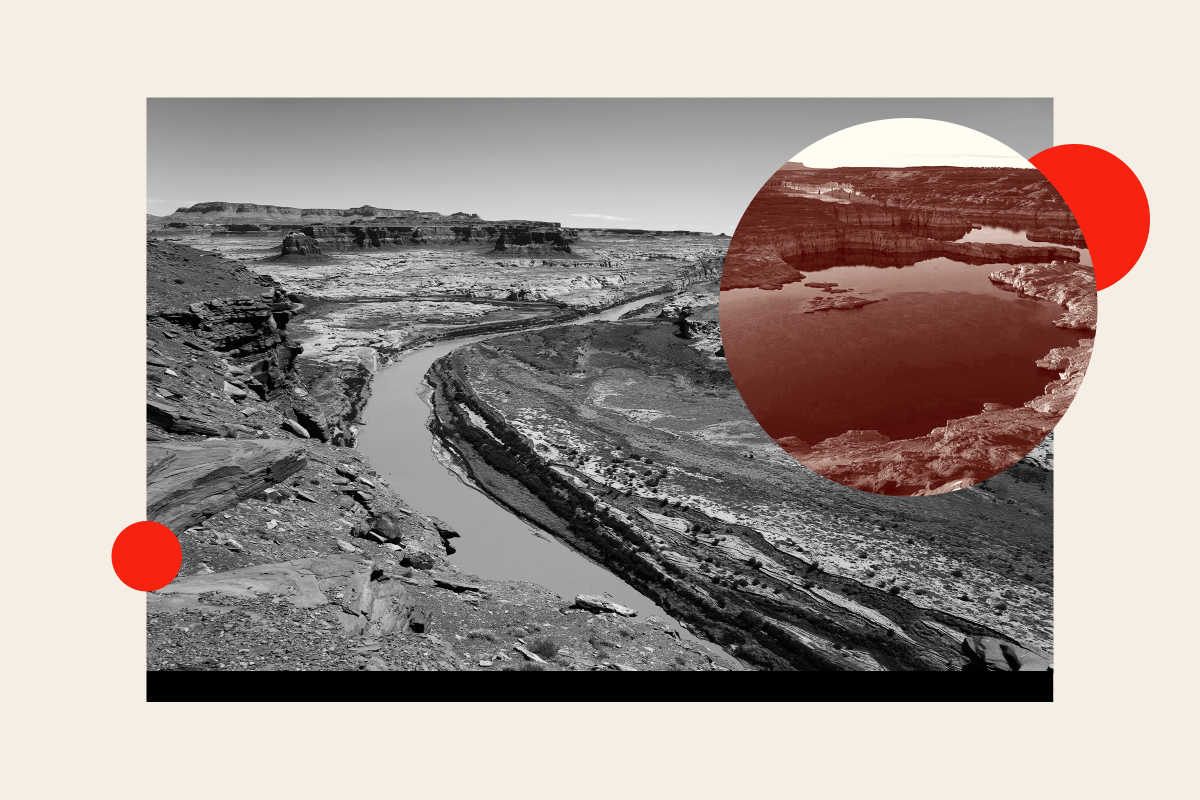
Lake Powell Given Lifeline, But Its Impact Could Be Felt for Years
Summary
Federal officials are taking emergency steps to raise water levels in Lake Powell by releasing water from the Flaming Gorge Reservoir and reducing outflows to Lake Mead. These actions aim to protect hydropower at Glen Canyon Dam but may cause long-term harm to water supplies, local economies, recreation, and fish habitats in the Colorado River Basin.Key Facts
- Lake Powell’s water levels are dangerously low due to prolonged drought and high temperatures.
- The U.S. Bureau of Reclamation plans to release between 660,000 and 1 million acre-feet of water from Flaming Gorge Reservoir by April 2027.
- Outflows from Lake Powell to Lake Mead will be reduced by 1.48 million acre-feet through September 2026.
- This intervention aims to raise Lake Powell’s water by about 54 feet to maintain hydropower generation at Glen Canyon Dam.
- If Lake Powell falls below 3,490 feet, power generation could stop, affecting water supply and energy downstream.
- The water release may close boat ramps and hurt recreation and the economy around the Flaming Gorge Reservoir.
- Officials warn the water use now may reduce the ability to manage future droughts effectively.
- Seven U.S. states and Mexico rely on the Colorado River, which is a key water source for 40 million people and millions of acres of farmland.
Read the Full Article
This is a fact-based summary from The Actual News. Click below to read the complete story directly from the original source.