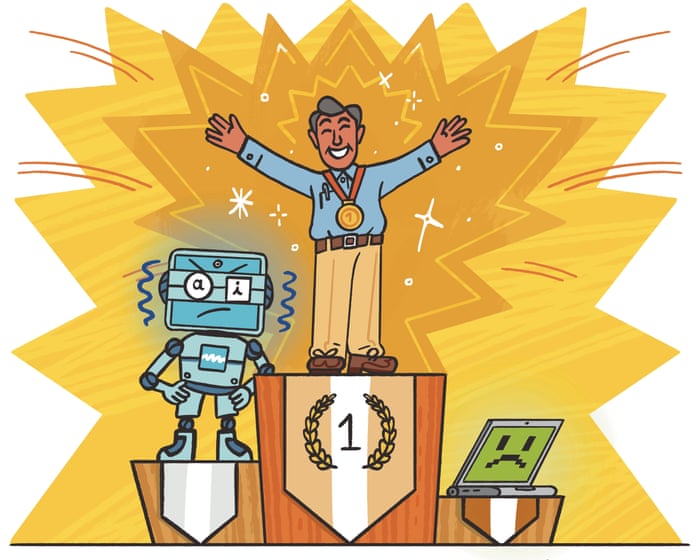
‘Being human helps’: despite rise of AI is there still hope for Europe’s translators?
Summary
Advances in artificial intelligence (AI) tools like DeepL are changing the work of translators in Europe. While AI can translate texts, many translators worry that it may replace human jobs or reduce their pay and opportunities.Key Facts
- In 2022 and again in 2026, translator Yoann Gentric tested AI translations and found the quality improved but still missed some stylistic details.
- AI-powered chatbots and translation tools are spreading quickly in Europe, a region with over 200 languages.
- A 2025 UK survey showed 84% of translators expect less demand for human translation and lower pay due to AI.
- Many translators now do “post-editing,” correcting AI translations, which takes as much time as translating themselves but pays less.
- Pay rates for translation work have dropped significantly; some offers are as low as 60 cents per line or 2 to 8 euros per page for post-editing.
- Literary translators often earn low annual incomes, averaging about €20,363 before tax in Germany.
- Some translators have had to take other part-time jobs because translation work is no longer financially stable.
- Machine translation companies like Translat have helped develop AI tools but these changes are disrupting traditional translator roles.
Read the Full Article
This is a fact-based summary from The Actual News. Click below to read the complete story directly from the original source.