SCOTUS ruling ushers in a new era of gerrymandering
Summary
The U.S. Supreme Court recently ruled that voting districts cannot be drawn based on race but can be drawn based on political party preferences. This decision has led several states to quickly redraw their voting maps. The ruling changes how election boundaries are drawn and could impact voting and democracy in the U.S.Key Facts
- The Voting Rights Act was signed by President Lyndon B. Johnson in 1965 to protect Black voters.
- The Supreme Court’s recent ruling forbids using race as a factor to draw voting districts.
- Political party preferences can still be used to shape voting districts, a practice called partisan gerrymandering.
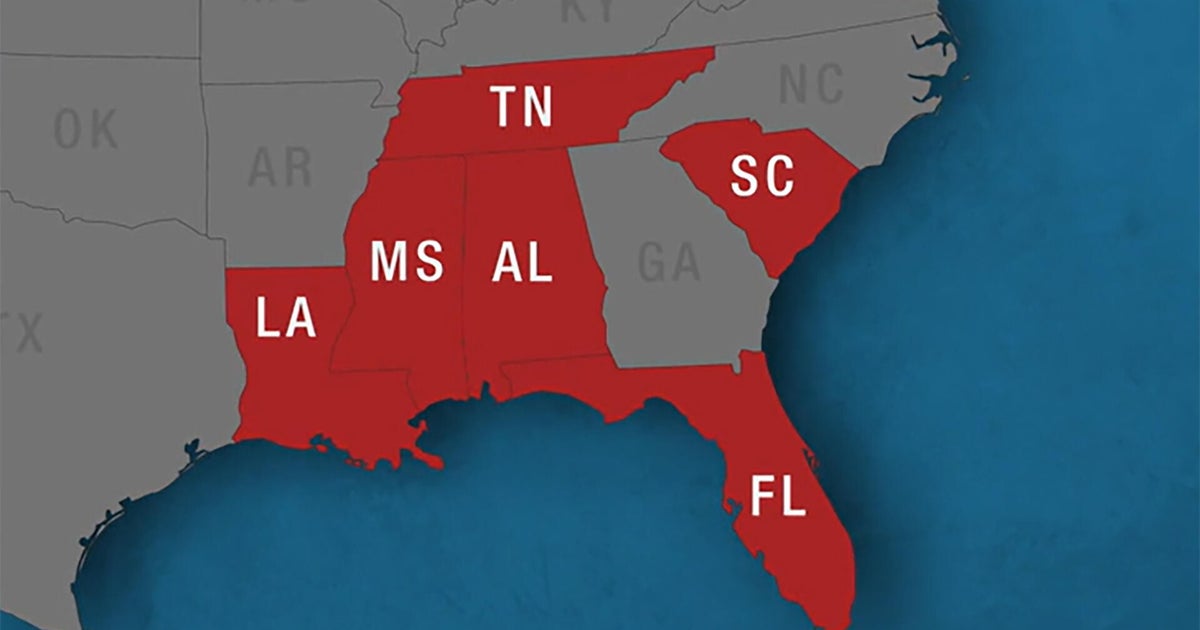
- Several states are now rushing to redraw their voting maps based on this new ruling.
- Experts say this ruling may affect how fairly votes are represented in elections.
- The story was covered by CBS News and includes interviews with national correspondents and other sources.
- The Supreme Court is the highest court in the United States and its decisions have widespread effects.
Read the Full Article
This is a fact-based summary from The Actual News. Click below to read the complete story directly from the original source.