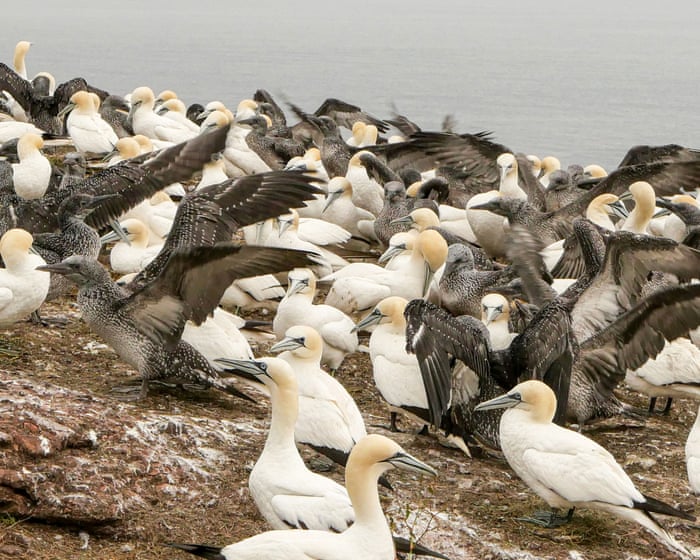
Sharp drop in ‘forever chemicals’ in seabird eggs hailed as win for regulation
Summary
A study found that levels of some harmful "forever chemicals" called PFAS have dropped significantly in seabird eggs in Canada over the past decades. This decline shows that regulations and efforts to reduce these chemicals have worked, although new types of PFAS still pose risks.Key Facts
- Researchers studied PFAS levels in northern gannet eggs from the St. Lawrence Seaway over 55 years.
- PFAS chemicals increased from the 1960s to around 2000, then started to drop after regulations began.
- The chemical company 3M reduced production of PFOS, a toxic PFAS, following regulatory pressure.
- By 2024, PFOS levels in the eggs dropped by 74%, PFOA levels decreased by about 40%, and PFHxS fell by about 72%.
- PFAS are called "forever chemicals" because they do not break down naturally and can cause health problems in wildlife and humans.
- Countries including the US, Canada, Europe, and the UN have introduced rules to limit PFAS production and use.
- Newer, smaller PFAS chemicals replaced some old ones but still may harm the environment and are harder to detect.
- PFAS remain in the environment and animals for decades, so ongoing monitoring and rules are needed.
Read the Full Article
This is a fact-based summary from The Actual News. Click below to read the complete story directly from the original source.