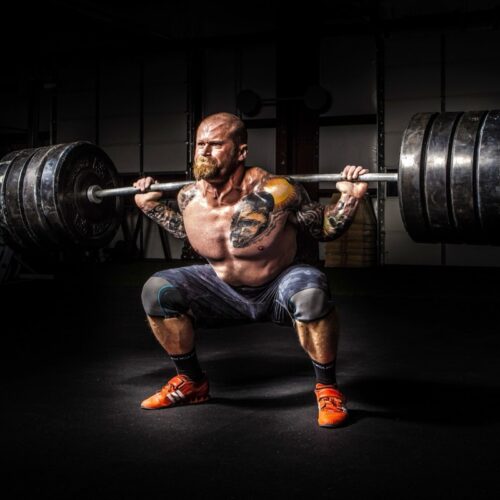
The physics of how Olympic weightlifters exploit barbell's "whip"
Summary
Olympic weightlifters use the bending and rebounding of a barbell, called the "whip," to lift heavier weights. A researcher studied how different barbells move and found small but important differences that can help top athletes perform better.Key Facts
- Olympic weightlifting involves three main moves: the snatch, the clean, and the jerk.
- The "whip" is the bending and rebounding action of a barbell under load.
- Joshua Langlois, a graduate student and hobby Strongman competitor, studied barbell vibrations to understand the whip.
- He hung barbells from elastic bands and measured their movements using devices called accelerometers.
- Barbells without sleeves (the parts holding weights) vibrated faster than those with sleeves.
- At higher weights, barbells showed unexpected higher bending frequencies, which might help athletes.
- These small differences in barbell behavior can impact performance at the elite level by about 1%.
- Barbells are similar in size and weight but can vary in materials like stainless or chrome steel, which affects their bending properties.
Read the Full Article
This is a fact-based summary from The Actual News. Click below to read the complete story directly from the original source.