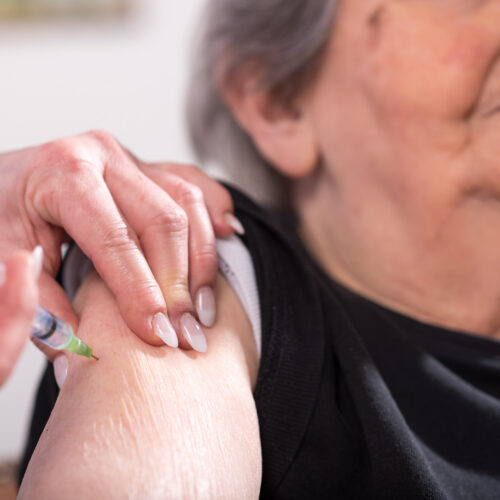
Routine vaccines may cut dementia risk—experts have startling hypothesis on how
Summary
Scientists have found that many common vaccines might lower the risk of dementia. One idea is that vaccines could train a part of the immune system, called innate immunity, which was once thought to be unchangeable, to better protect the brain.Key Facts
- Vaccines for flu, RSV, tetanus, diphtheria, pertussis, pneumococcal infections, hepatitis A and B, and typhoid are linked to lower dementia risk.
- The shingles vaccine shows one of the strongest associations with decreased dementia risk.
- Vaccines work by training adaptive immunity, which learns and remembers specific germs.
- Innate immunity is the body’s first, general defense against germs and injury, previously believed to be untrainable.
- The concept of “trained immunity” means innate immune cells can be primed to respond faster and stronger to threats after initial exposure.
- These changes involve epigenetic modifications, which alter gene behavior without changing DNA.
- The BCG vaccine, for tuberculosis, helped researchers discover trained immunity.
- Understanding trained immunity may help create new ways to treat or prevent dementia.
Read the Full Article
This is a fact-based summary from The Actual News. Click below to read the complete story directly from the original source.