Experts sound alarm as North America’s bees start swarm season unusually early
Summary
In North America, the bee swarm season in 2026 started 17 days earlier than last year, linked to warmer winters and climate change. This early swarming, combined with threats from the varroa mite, is causing challenges for bee populations and beekeepers, which could impact crop pollination and agriculture.Key Facts
- The 2026 bee swarm season began 17 days earlier than in 2025 after a period of record heatwaves in the US.
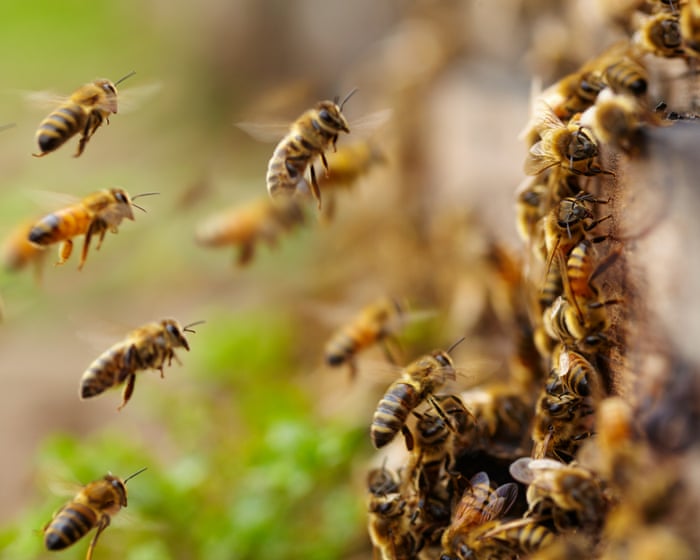
- Bee swarming happens when a group of bees with their queen leave the hive to form a new colony, usually in spring.
- Wild bees face pressure because honeybees, kept in large numbers, often take nectar and pollen first.
- US beekeepers lost more than 60% of their bee colonies last year, the worst die-off recorded.
- Crop pollination by bees adds about $15 million in value to US agriculture annually.
- The varroa mite, a parasite on bees, spreads viruses and is becoming resistant to treatments.
- Warmer winters cause bees to be active and reproduce earlier, disrupting natural cycles that usually control mite populations.
- Earlier flowering of plants due to climate change causes bees to mature and swarm sooner.
Read the Full Article
This is a fact-based summary from The Actual News. Click below to read the complete story directly from the original source.