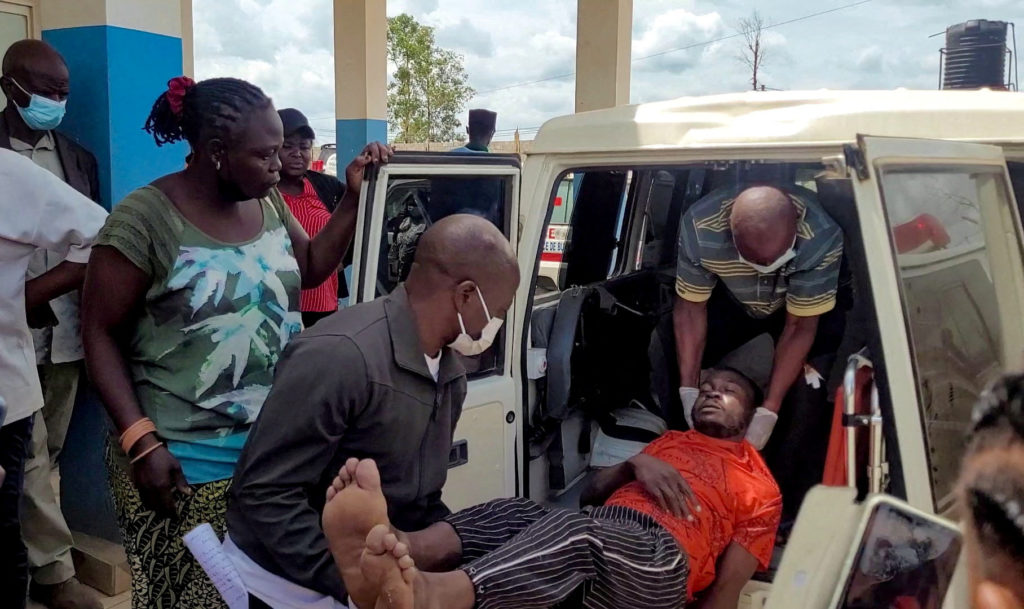
WHO declares Ebola outbreak in Congo and Uganda a global health emergency
Summary
The World Health Organization (WHO) has declared the Ebola outbreak in Congo and Uganda a global health emergency after over 300 suspected cases and 88 deaths. The outbreak is caused by a rare Ebola variant called the Bundibugyo virus, which has no approved treatment or vaccine. The virus has spread to Congo’s capital, Kinshasa, raising concerns of wider transmission, and efforts to control it face challenges due to conflict and population movement.Key Facts
- The Ebola outbreak began in Congo’s Ituri province near the border with Uganda and South Sudan.
- More than 300 suspected Ebola cases and 88 deaths have been reported.
- A confirmed case was found in Kinshasa, Congo’s capital, about 1,000 km from the outbreak center.
- The virus involved is the Bundibugyo variant, a rare Ebola type without approved treatments or vaccines.
- This is the third recorded time the Bundibugyo virus has caused an outbreak in the region since 2007.
- Conflict and movement of people for mining work make it hard to track and contain the disease.
- WHO called for international aid and coordinated response but did not recommend closing borders.
- The outbreak started in April but was detected late, allowing it to spread further before response efforts began.
Read the Full Article
This is a fact-based summary from The Actual News. Click below to read the complete story directly from the original source.
