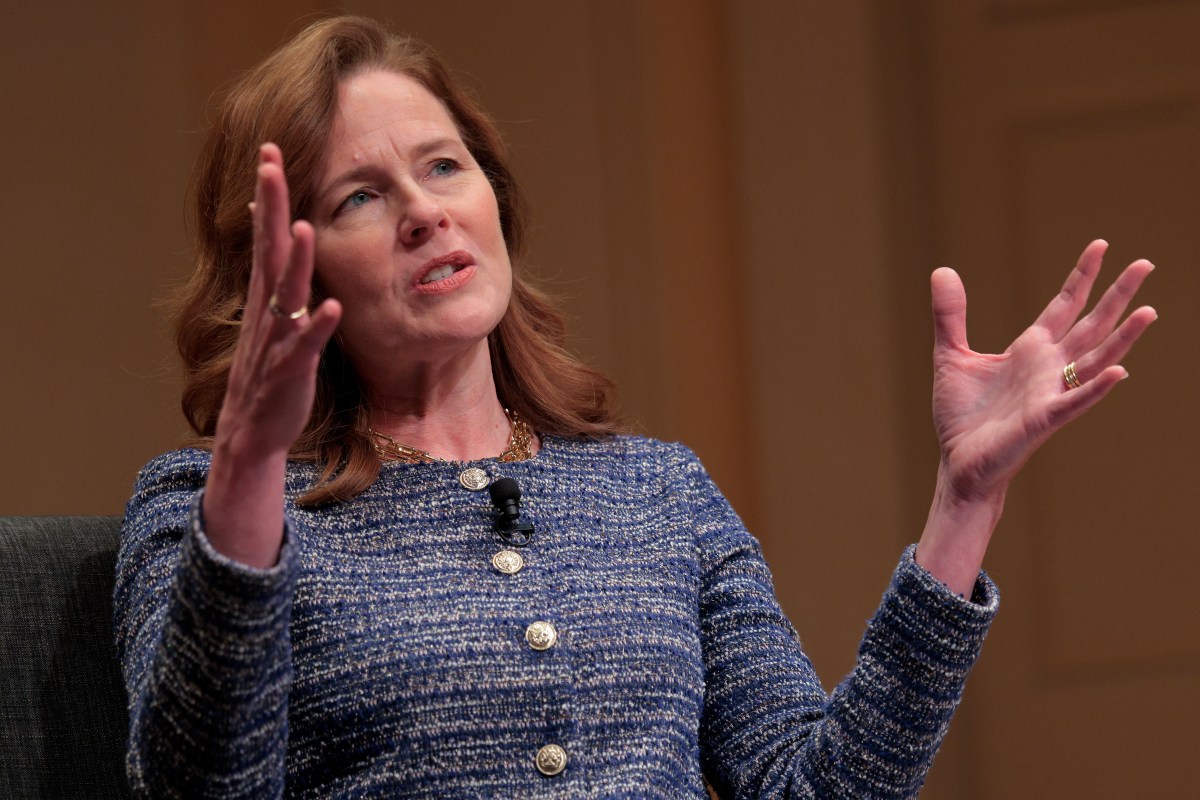
Amy Coney Barrett Sits Out Supreme Court Decision—Here's Why
Summary
Justice Amy Coney Barrett did not take part in a Supreme Court case involving a federal inmate named Andrew Johnston because she had worked on the case before as a judge on a lower court. Barrett’s prior involvement created a conflict of interest, so she recused herself from ruling on the case.Key Facts
- Andrew Johnston is a federal inmate who asked the Supreme Court to review his prison sentence.
- Johnston’s request was denied twice by the Supreme Court.
- Justice Barrett had previously handled Johnston’s appeal when she was a judge on the Seventh Circuit Court of Appeals.
- Barrett allowed Johnston to represent himself in that earlier appeal.
- Because Barrett was involved in the earlier stages of the case, she recused herself from the Supreme Court decision.
- Barrett does not publicly explain why she recuses herself from cases.
- She has said recusals prevent conflicts of interest and can protect personal privacy.
- Judges typically recuse themselves if they worked on a case in a lower court or have financial conflicts.
Read the Full Article
This is a fact-based summary from The Actual News. Click below to read the complete story directly from the original source.