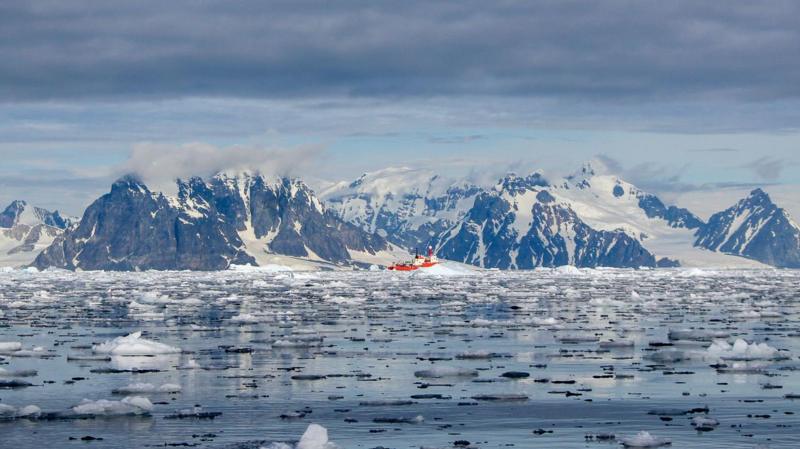
How long tubes of mud could reveal how Antarctica is changing
Summary
Earlier this year, a group of researchers traveled to the Antarctic Peninsula to collect mud samples from the seafloor. These samples will help scientists understand the history of marine life in the area and how human activities like whaling have impacted the environment. The research is part of a global effort to study the connections between oceans and climate.Key Facts
- Researchers collected mud samples from the seafloor around the Antarctic Peninsula.
- They used a special drill to retrieve more than 40 sediment cores from depths up to 500 meters.
- These sediment layers serve as historical records of ocean life and human impact over centuries.
- The samples are being analyzed to measure pollution, carbon content, and microbial life.
- The research is part of the global Convex Seascape Survey.
- Ice and sediment cores are crucial for understanding climate history before modern monitoring began.
- Environmental DNA analysis will provide genetic information from the samples to study past marine life.
- The samples must be stored at extremely low temperatures to preserve their genetic material.
Read the Full Article
This is a fact-based summary from The Actual News. Click below to read the complete story directly from the original source.