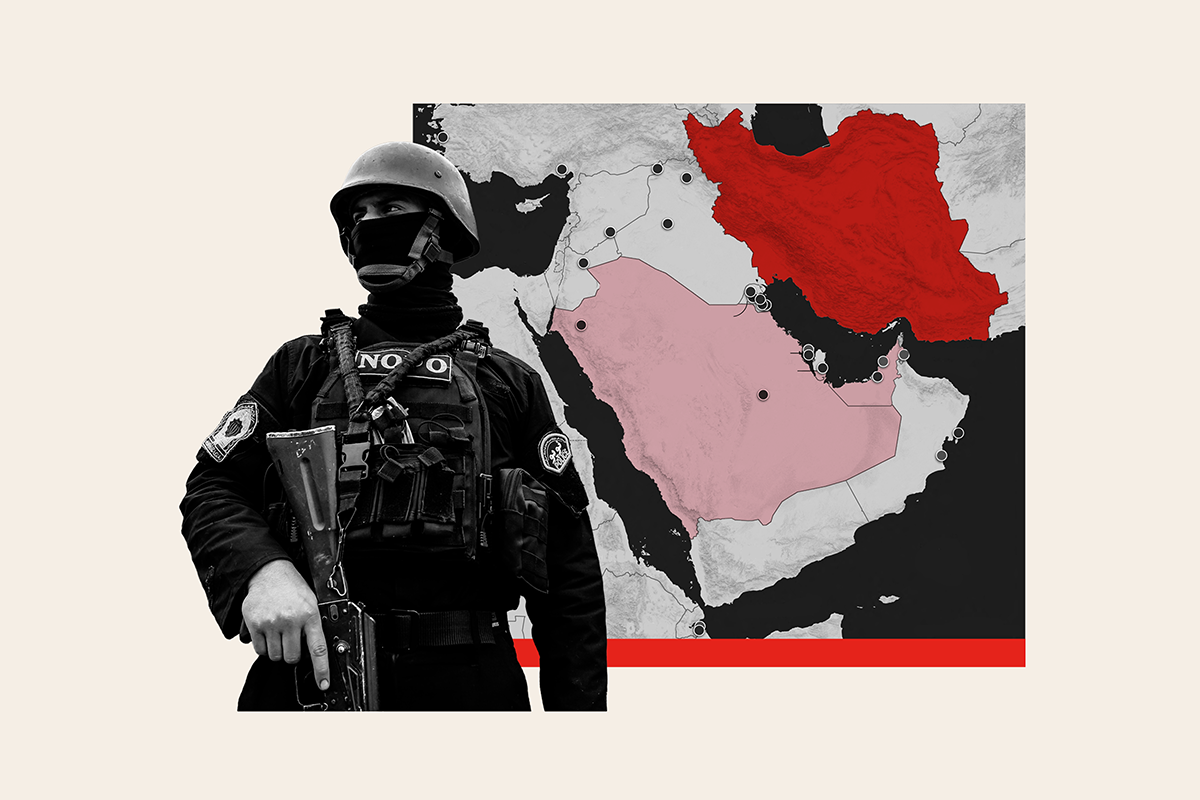
Iran War Puts Saudi Arabia at Odds With Growing Israel-UAE Axis
Summary
The war involving the U.S. and Israel against Iran is creating tensions between Saudi Arabia and the United Arab Emirates (UAE). While Saudi Arabia remains the leading power in the Gulf region, the UAE’s increasing ties with Israel and involvement in other regional conflicts have caused disagreements within Gulf countries and shifted alliances.Key Facts
- Saudi Arabia and the UAE are becoming more involved in the conflict against Iran, led by the U.S. and Israel.
- The UAE has strong but sometimes tense relations with Israel, established in 2020 through the Abraham Accords supported by President Donald Trump.
- Reports suggest the UAE supports non-government groups in countries like Libya, Sudan, and Yemen, causing friction with Saudi Arabia.
- Saudi Arabia sees itself as the main power in the Gulf region because of its size, population, oil resources, military strength, and religious significance.
- The UAE is smaller but has grown influential through modernization and economic development since its independence in 1971.
- Some experts compare the rivalry between Saudi Arabia and the UAE to the “Thucydides Trap,” meaning a rising power challenging an established one.
- Other countries like Egypt, Turkey, India, and Pakistan are also affected by or involved in the shifting Middle East alliances.
- Despite tensions, Saudi Arabia remains the main force shaping Gulf and Arab regional politics and structures like OPEC.
Read the Full Article
This is a fact-based summary from The Actual News. Click below to read the complete story directly from the original source.