Google's SynthID AI watermarking tech is being adopted by OpenAI, Nvidia, and more
Summary
Google developed SynthID, a technology that adds hidden digital watermarks to AI-generated images, videos, and audio to identify them. Now, Google is working with other companies like OpenAI and Nvidia to use SynthID, making it easier to recognize AI-created content across different platforms.Key Facts
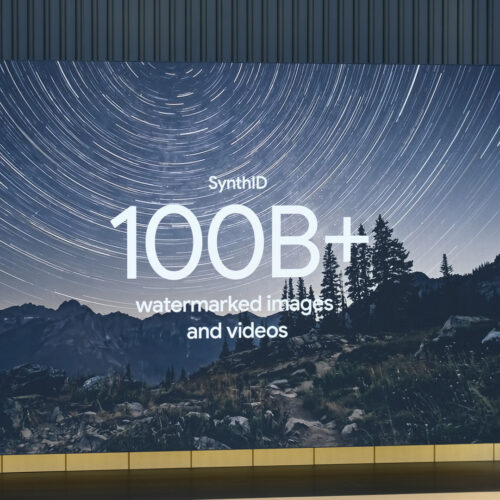
- SynthID was first shown by Google three years ago and has labeled 100 billion images and videos and 60,000 years of audio so far.
- SynthID embeds a digital watermark directly into the pixels of images and videos or the waveform of audio, making it hard to remove even after editing.
- Google uses another system called C2PA, which adds metadata describing how content was made, and it is used in Pixel 10 phones and soon in Pixel 8 and 9 phones for videos.
- Google’s Gemini chatbot and apps can scan content to detect SynthID watermarks and confirm if the content is AI-generated.
- Several companies, including Nvidia, OpenAI, Kakao, and ElevenLabs, will start adding SynthID watermarks to their AI content.
- Many AI models still produce content without watermarks, especially public and open-source ones, so not all AI content will be identifiable.
- Google plans to integrate SynthID detection into tools like Search, Chrome, Lens, and AI Mode to make checking easier.
- There is no public SynthID API yet, but Google will soon offer an API for trusted partners to help flag AI content and improve detection.
Read the Full Article
This is a fact-based summary from The Actual News. Click below to read the complete story directly from the original source.