Lyme disease cases in England rise by more than 20% in a year
Summary
Cases of Lyme disease in England increased by 22% from 2024 to 2025, reaching 1,168 confirmed cases. Experts report that tick populations and Lyme disease rates can change year to year due to factors like weather and outdoor activity levels. New vaccines and treatments are being developed to prevent and manage Lyme disease in humans.Key Facts
- Lyme disease cases in England rose from 959 in 2024 to 1,168 in 2025, a 22% increase.
- The total confirmed cases in 2025 are similar to those seen in 2023 (1,151 cases).
- Two probable cases of tick-borne encephalitis virus were found in 2025, with six local cases since 2019.
- Lyme disease is caused by bacteria spread through tick bites; not all ticks carry the bacteria.
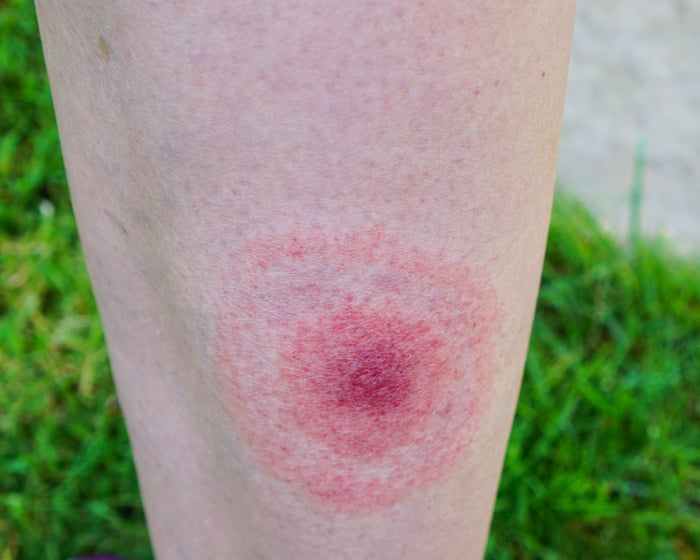
- Symptoms include a bullseye rash, fever, muscle and joint pain, and tiredness; untreated cases may become chronic.
- Preventive measures for people include using tick repellents, covering skin outdoors, and wearing light clothes to spot ticks.
- A previous Lyme vaccine for humans (LYMErix) was withdrawn in 2002 due to low demand and safety concerns.
- New vaccines are in development by Moderna, Pfizer, and Valneva, aiming to avoid past vaccine problems and better protect people.
Read the Full Article
This is a fact-based summary from The Actual News. Click below to read the complete story directly from the original source.