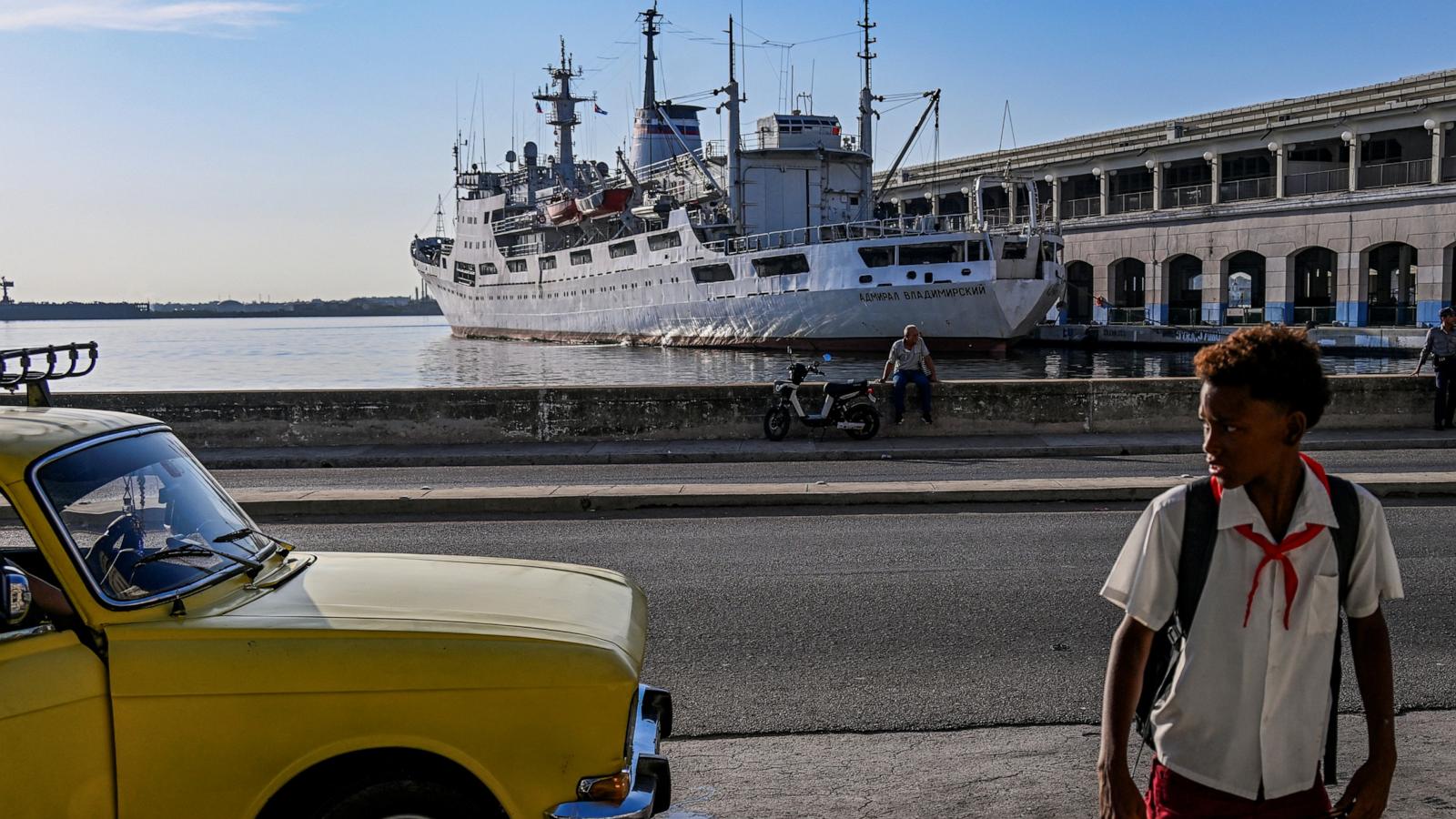
SCOTUS ruling allows lawsuits over property seized by Cuban government
Summary
The U.S. Supreme Court ruled that four major cruise companies can be held financially responsible for using a port in Havana, Cuba, that was taken by the Cuban government in 1960. The court said the U.S. company that once owned part of the port can sue these companies in federal court for using the port between 2016 and 2019.Key Facts
- The cruise lines Royal Caribbean, Carnival, Norwegian, and MSC used the American-built port in Havana, which was seized by Cuba in 1960.
- Havana Docks Corporation, a U.S. firm, owned part of the port before the Cuban Revolution and claims it can sue the cruise lines for using the port.
- The Supreme Court ruled 8-1 that federal law allows Havana Docks to sue for financial damages over the use of the port.
- The ruling is based on the Cuban Liberty and Democratic Solidarity Act of 1996, which lets U.S. owners sue for use of property taken by the Cuban government.
- U.S. cruise lines started sailing to Havana again from Florida between 2016 and 2019 during a period of warmer relations with Cuba.
- President Donald Trump enforced the law's provision allowing lawsuits against companies using seized Cuban property.
- A lower court first awarded Havana Docks over $400 million, but that decision was overturned before reaching the Supreme Court.
- Justice Clarence Thomas wrote that anyone who uses property seized by Cuba can be held liable to the U.S. owners of that property, regardless of when the claim first expired.
Read the Full Article
This is a fact-based summary from The Actual News. Click below to read the complete story directly from the original source.