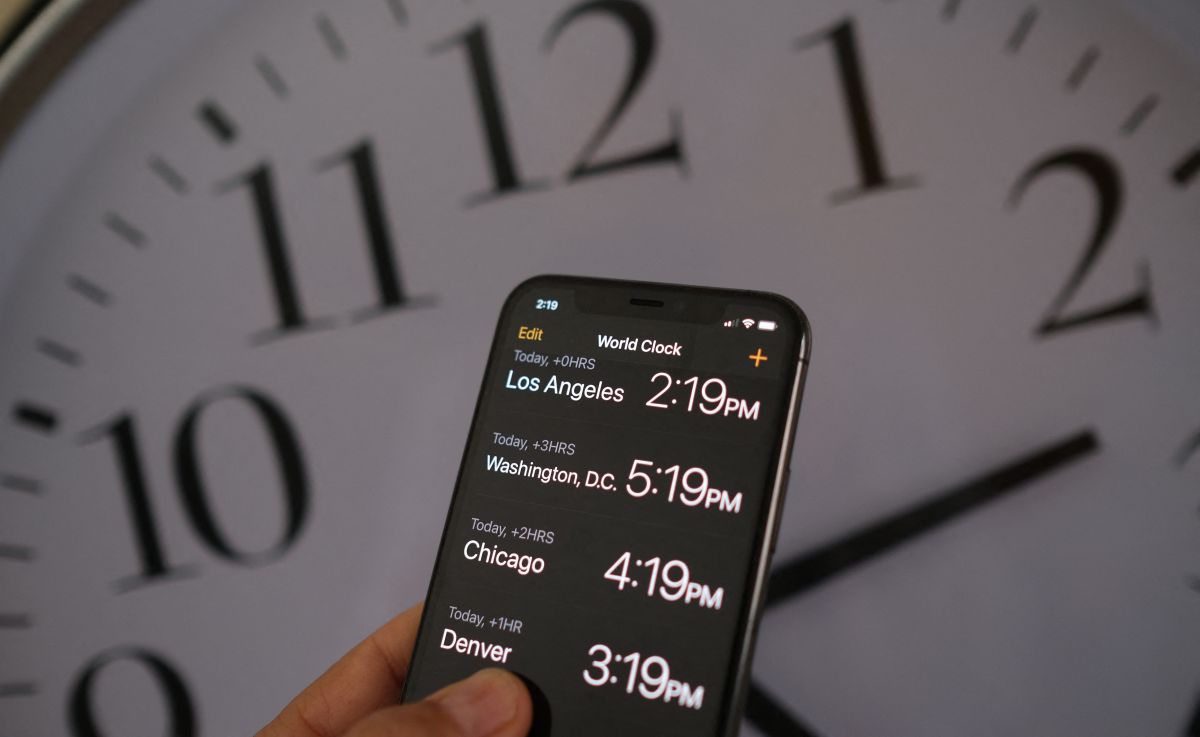
Daylight Saving Time Bill: Winners and Losers of a Permanent Clock Change
Summary
Lawmakers in Washington are considering a bill called the Sunshine Protection Act, which would make daylight saving time permanent across most of the United States. This means the clocks would stay set to the time currently used from March to November, giving more daylight in the evenings year-round but darker mornings in winter.Key Facts
- The bill would end the twice-yearly clock changes known as "spring forward" and "fall back."
- Permanent daylight saving time means lighter evenings all year but darker mornings during winter months.
- Supporters say later sunsets could boost the economy by encouraging shopping, dining, and leisure activities after work.
- More evening daylight could reduce accidents during busy evening commute times.
- Opponents worry about very dark winter mornings, especially for early risers and schoolchildren traveling before sunrise.
- Scientists warn that less morning light might disrupt people’s body clocks and harm sleep and health.
- President Donald Trump has called the twice-yearly clock change inconvenient and costly for the government.
- The bill has growing bipartisan support and some states have passed laws in advance of federal approval.
Read the Full Article
This is a fact-based summary from The Actual News. Click below to read the complete story directly from the original source.