Americans Warned Over Yearslong ‘Iran Tax’
Summary
The war involving Iran has caused fuel prices in the U.S. to rise sharply, increasing costs for American households. Experts warn this conflict could act like a long-term tax, pushing inflation higher and limiting economic recovery even after the war ends.Key Facts
- The Iran conflict began on February 28 and has disrupted oil shipments through the Hormuz Strait, a key global oil route.
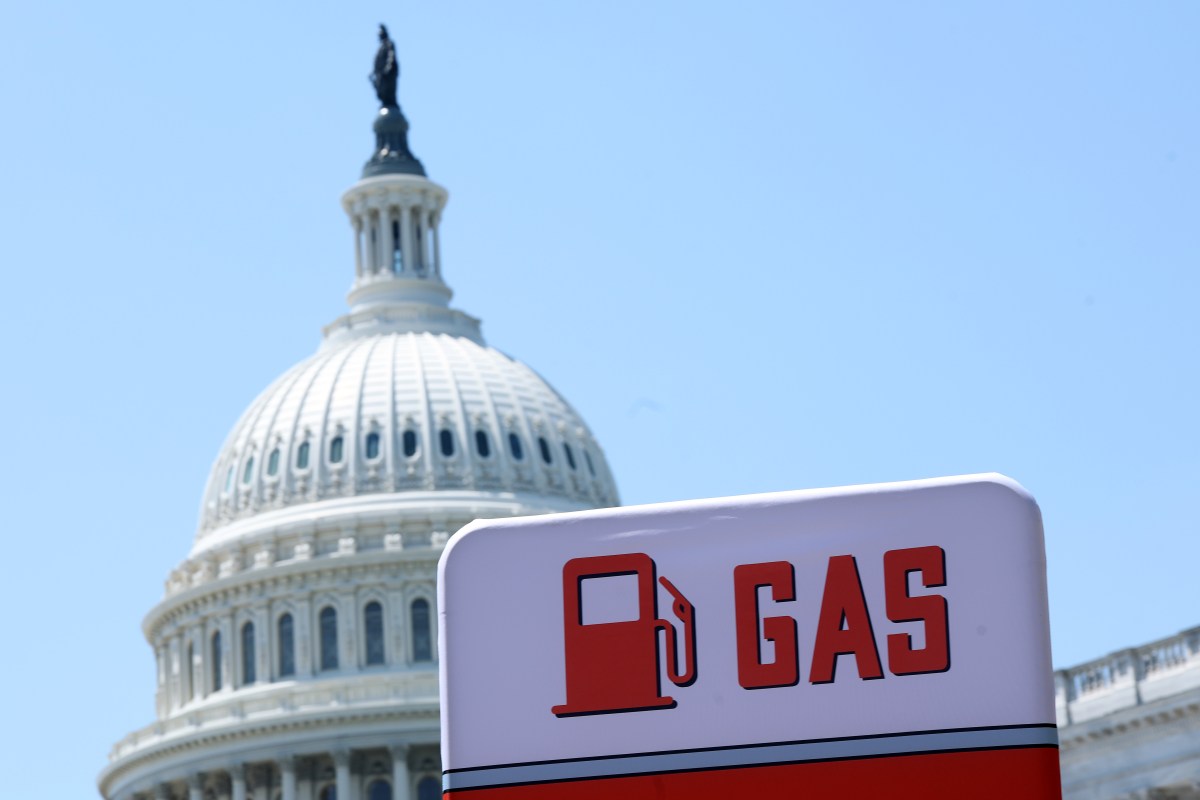
- Gas prices in the U.S. rose from under $3 per gallon to about $4.49 on average since the conflict started.
- American families are paying roughly $364 extra on fuel and about $410 more monthly when including other products like jet fuel and fertilizer.
- Inflation has exceeded wage growth for the first time since 2023, reducing real income gains for many workers.
- Economists say the higher energy prices could last for many months or years, even if the war ends soon.
- President Donald Trump stated that gas prices will fall sharply once the conflict ends.
- Officials hope fuel prices will fall quickly if oil shipments freely return through the Hormuz Strait.
- Consumer concerns have raised inflation expectations, predicting higher prices for many goods beyond fuel.
Read the Full Article
This is a fact-based summary from The Actual News. Click below to read the complete story directly from the original source.