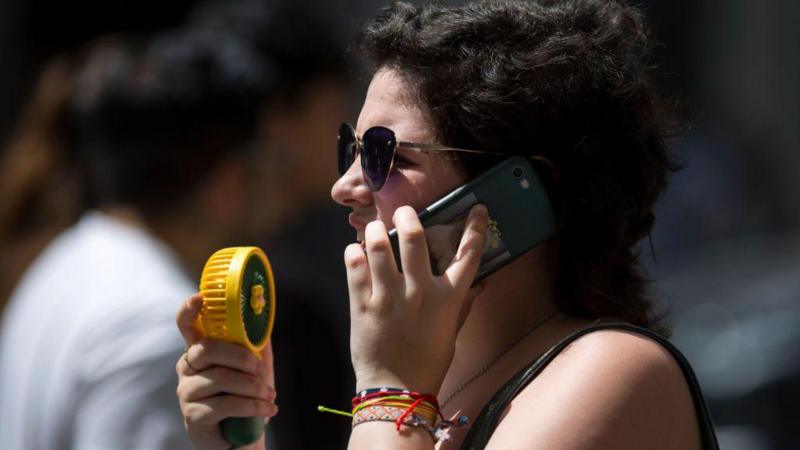
What does hot weather do to the body?
Summary
Hot weather affects the body by opening blood vessels and making the heart work harder to cool down. This can cause symptoms like dizziness, nausea, and heat exhaustion, especially in vulnerable groups such as older people, children, and those with certain health conditions.Key Facts
- When the body gets hot, blood vessels open up, lowering blood pressure and making the heart pump harder.
- Sweating causes loss of fluids and salt, which can upset the body's balance and lead to heat exhaustion.
- Heat exhaustion symptoms include dizziness, nausea, fainting, confusion, muscle cramps, headaches, heavy sweating, and tiredness.
- If blood pressure drops too much, there is a higher risk of heart attacks.
- The body tries to keep a core temperature of about 37°C by opening blood vessels near the skin and sweating to lose heat.
- Vulnerable groups include older adults, babies, young children, people with heart disease or diabetes, and those with brain conditions like dementia.
- To stay safe, people should drink lots of fluids, stay indoors or in shade during peak sun hours, use sunscreen, avoid physical exercise in the heat, and never leave children or animals in a locked car.
- If someone shows signs of heat exhaustion, move them to a cool place, raise their legs, give water, and cool their skin; call emergency services if they do not improve quickly or show signs of heatstroke.
Read the Full Article
This is a fact-based summary from The Actual News. Click below to read the complete story directly from the original source.