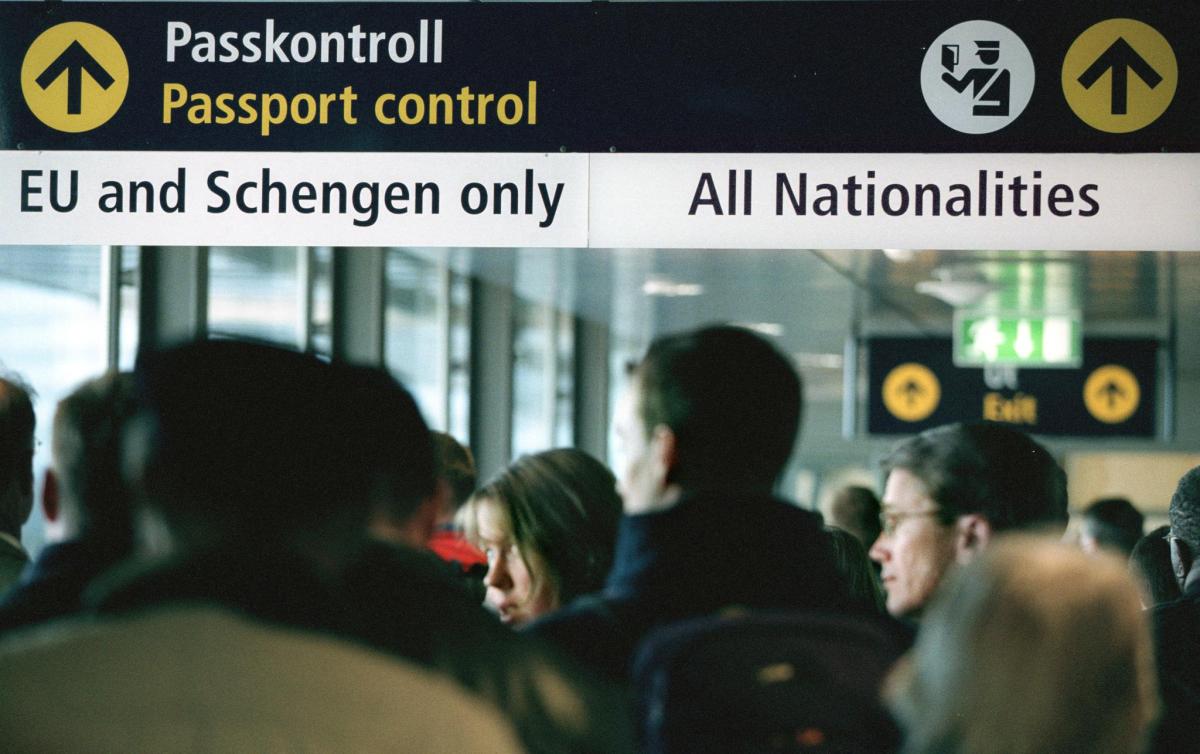
Warning Issued to Americans Planning Europe Vacations
Summary
The European Union has fully started using a new system called the Entry/Exit System (EES) that replaces passport stamps with digital records like fingerprints and facial images. Travelers from the U.S. and other non-EU countries are facing longer wait times and confusion at airports because some places use automated kiosks while others do more manual checks.Key Facts
- The EES began operating on October 12, 2025, and is now fully in use across 29 Schengen Area countries since April 10, 2026.
- EES collects biometric data such as fingerprints and facial photos instead of stamping passports.
- Since October 2025, the system recorded nearly 80 million border crossings and refused entry to over 35,000 people, including around 900 considered security threats.
- Travelers report uneven experiences: some airports have many automated kiosks working, others rely on manual processing causing long lines and delays.
- No clear signs or detailed instructions about EES are available at some airports, leading to confusion among travelers.
- Brussels and Madrid airports have experienced longer wait times during the EES rollout, with some kiosks still being installed or out of service.
- Airport and border officials say they are working on expanding the use of automated gates to reduce delays and manage large passenger flows better.
- Border control is handled by national police, but airports support the process by coordinating with authorities.
Read the Full Article
This is a fact-based summary from The Actual News. Click below to read the complete story directly from the original source.