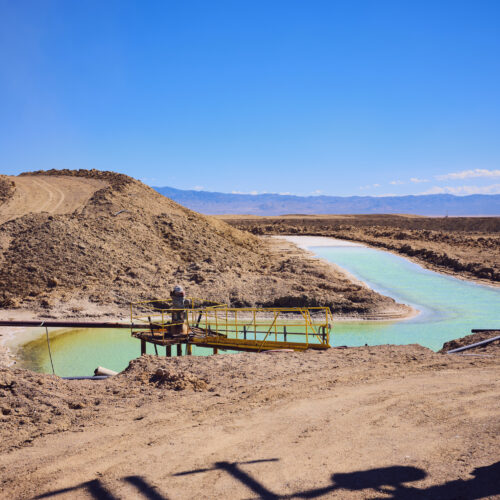
Researchers develop a new process to get lithium out of rocks
Summary
Researchers at MIT and Boston-area companies developed a new, energy-efficient method to extract lithium from rock minerals. This process uses less energy, recycles its starting chemicals, and creates useful byproducts, potentially improving lithium supply for batteries.Key Facts
- Lithium is important for making batteries and is mostly extracted from brines in South America.
- Extracting lithium from rocks is usually energy-intensive and creates waste.
- The most common lithium rock mineral is spodumene, a lithium-aluminum silicate.
- The new process uses ammonium fluoride in water and heats it to about 70° C to extract lithium.
- It produces lithium fluoride in solution and separates silicon and aluminum into usable forms.
- The process recycles ammonium fluoride by carefully controlling reactions that release ammonia and hydrogen fluoride.
- By recycling chemicals and producing sellable byproducts, the process reduces waste and energy use compared to traditional methods.
- This method could help increase the supply of lithium needed for large-scale battery production.
Read the Full Article
This is a fact-based summary from The Actual News. Click below to read the complete story directly from the original source.