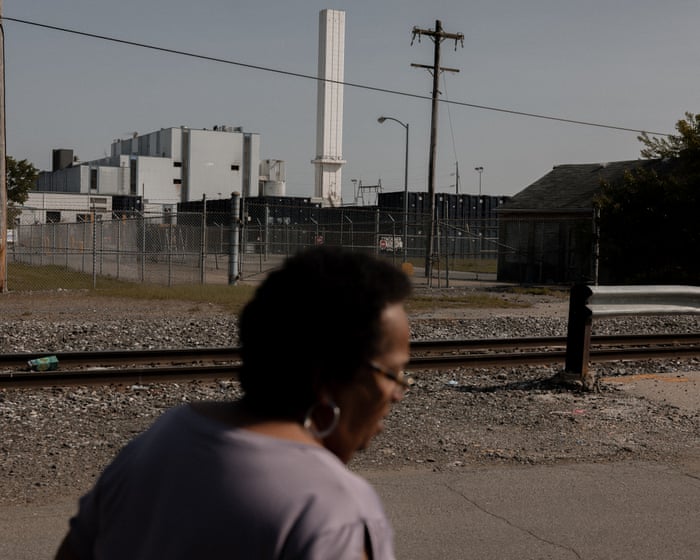
US garbage incinerators are failing to eliminate ‘forever chemical’ air pollution, experts warn
Summary
Experts and public health advocates say many U.S. garbage incinerators are not properly destroying harmful chemicals called PFAS, which can pollute the air and affect people’s health. An industry report claims Minnesota incinerators cut PFAS emissions by 99.6%, but critics argue the study is incomplete and misleading.Key Facts
- PFAS are chemicals used to make products water- and stain-resistant and are linked to serious health problems.
- These chemicals do not break down easily and are often called “forever chemicals.”
- Nearly 100 waste incinerators operate in the U.S., including seven in Minnesota.
- The garbage industry promotes incinerators as a way to reduce PFAS waste.
- An industry report claims Minnesota incinerators reduce PFAS emissions by 99.6%.
- Critics say the report uses bad assumptions, incomplete data, and misses key testing.
- Health groups warn that incinerators likely release PFAS and other pollutants into nearby low-income neighborhoods.
- PFAS chemicals require very high temperatures to be destroyed, higher than many incinerators reach.
Read the Full Article
This is a fact-based summary from The Actual News. Click below to read the complete story directly from the original source.