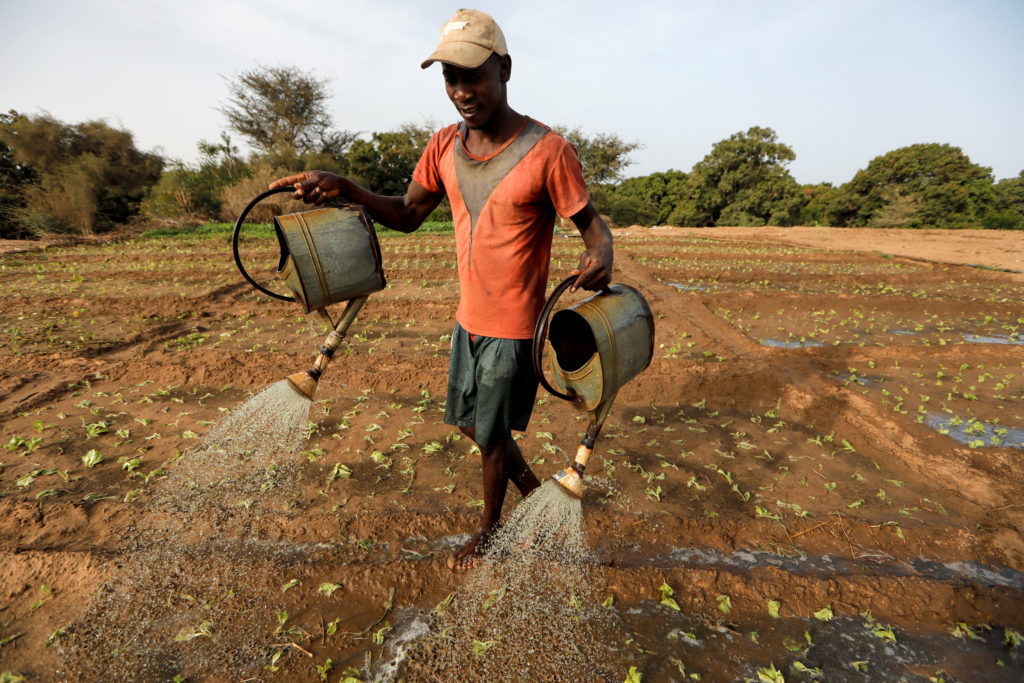
Farmers seek fertilizer alternatives as Iran war drives up prices
Summary
The war involving Iran has caused a sharp rise in global fertilizer prices, affecting farmers worldwide, including those in Senegal and Brazil. Farmers and governments are seeking alternatives like organic compost and biofertilizers to reduce dependence on expensive chemical fertilizers and to support sustainable agriculture.Key Facts
- Since the war began on February 28, fertilizer prices have risen by about 40-50% globally.
- The Gulf region, including Iran, produces 30% of the world's traded chemical fertilizer.
- Natural gas shortages and shipping disruptions linked to the Iran conflict have limited fertilizer production and supply.
- Senegal imports 125,000 tons of fertilizer yearly but is facing supply difficulties.
- Some Senegalese farmers, like Abou Sow, switched to organic compost and manure years ago to avoid reliance on chemical fertilizers.
- Organic fertilizers can reduce greenhouse gas emissions and help soil store carbon, unlike chemical fertilizers.
- Governments, including Senegal’s, are trying to support farmers by subsidizing organic fertilizer, though current amounts may be insufficient.
- Brazil imports over 80% of its fertilizer and has seen fertilizer prices rise 50%, increasing interest in biofertilizer use.
Read the Full Article
This is a fact-based summary from The Actual News. Click below to read the complete story directly from the original source.