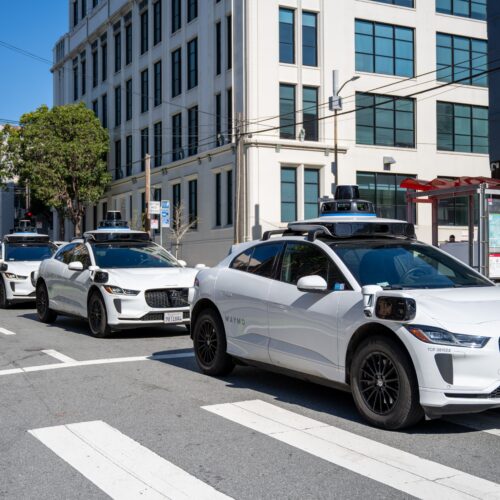
Autonomous vehicles were supposed to cut traffic—what if they don't?
Summary
Autonomous vehicles, like Waymo's robotaxis, are now operating in some American cities and are reported to be safer than human drivers. However, data shows that these robotaxis spend a large part of their trips driving empty, and they do not reduce traffic congestion compared to ride-hailing services like Lyft and Uber.Key Facts
- Waymo’s robotaxis completed 13.8 million trips covering 86.3 million miles from August 2023 to December 2025.
- About 44 percent of the miles driven by Waymo’s robotaxis were without passengers, known as "deadheading."
- Two-thirds of these empty miles were vehicles driving around waiting to be assigned a ride.
- The share of miles with passengers increased from 36 percent initially to about 56 percent but then stopped growing.
- Ride-hailing services like Lyft and Uber have a similar amount of deadhead miles, around 40 percent.
- Research showed that ride-hailing increased traffic and emissions, and robotaxis may have the same effect.
- Introduction of freeway service helped reduce empty driving miles on the way to passenger pickups.
- Waymo robotaxis have fewer crashes and insurance claims compared to human drivers, but problems remain, such as handling school buses and flooded roads.
Read the Full Article
This is a fact-based summary from The Actual News. Click below to read the complete story directly from the original source.