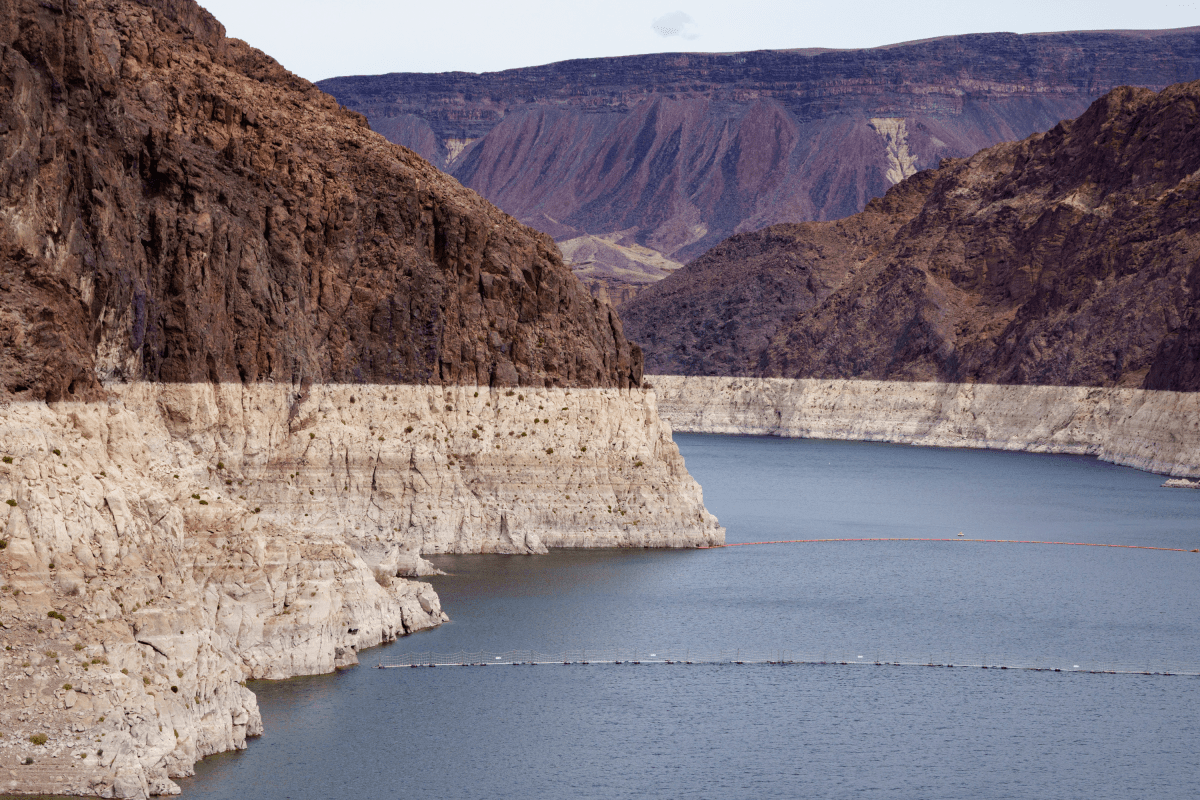
Lake Mead, Lake Powell Face 'System Crash' by 2028, Scientists Warn
Summary
Researchers from the University of Colorado warn that the two biggest reservoirs on the Colorado River—Lake Mead and Lake Powell—are rapidly losing water. If current water use and dry conditions continue, these reservoirs could face a “system crash” by 2028, threatening water supplies for millions in the western U.S. and parts of Mexico.Key Facts
- Lake Mead and Lake Powell water levels are dropping due to high water use and low natural inflows.
- 2026 is expected to have one of the lowest river runoff levels on record, worsening the supply-demand imbalance.
- Even with some water-saving efforts, people still use more water than the Colorado River provides naturally.
- A “system crash” means the reservoirs could no longer store water effectively, leading to real-time river flow without reserves.
- Such a crash would severely impact cities, farms, ecosystems, and power generation in the region.
- The storage problem is due to a long-term “ratchet effect”: occasional wet years only temporarily boost water levels before being erased by dry years and overuse.
- Scientists call for major and coordinated water use cuts across all states depending on the Colorado River, including Mexico.
- Without action, the system may fail to reliably deliver water by 2028, risking a lasting water crisis.
Read the Full Article
This is a fact-based summary from The Actual News. Click below to read the complete story directly from the original source.