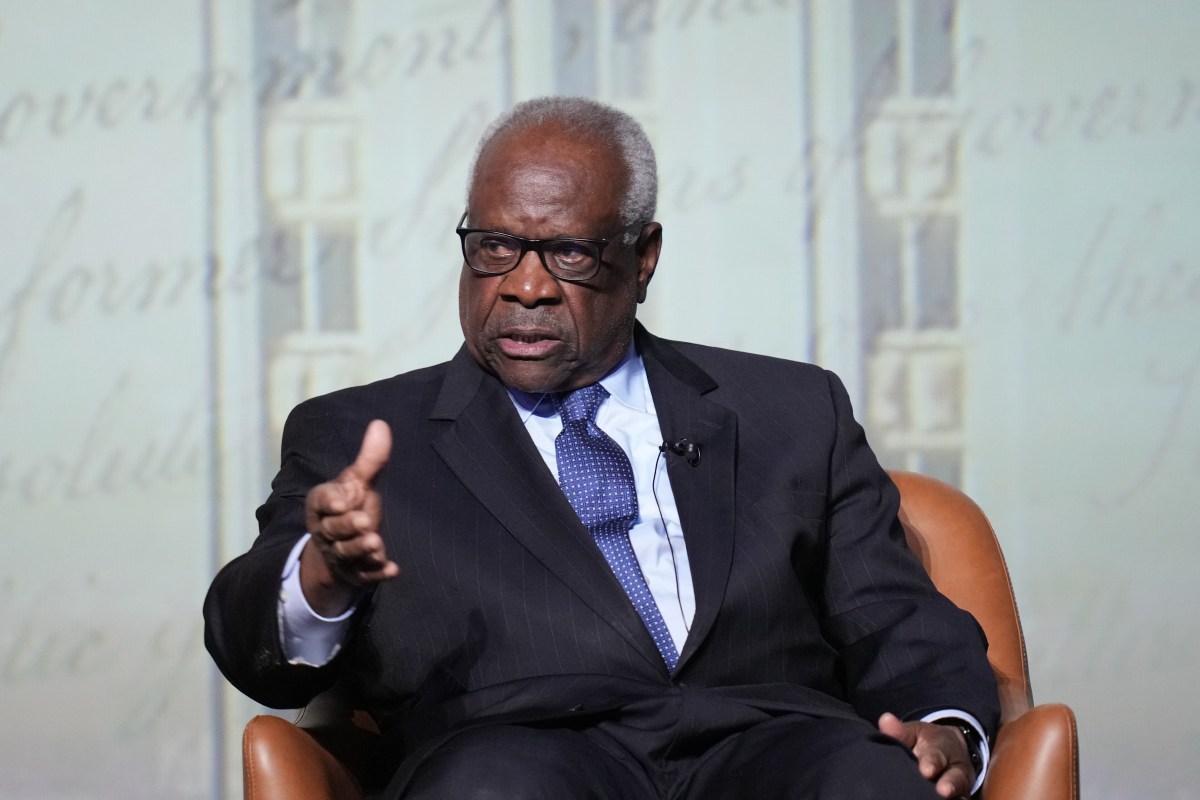
Clarence Thomas Breaks With SCOTUS Conservatives in FCC Case Lone Dissent
Summary
The Supreme Court ruled 8-1 that the Federal Communications Commission (FCC) can impose fines on AT&T and Verizon for not protecting customer location data properly. The Court said companies can still ask for a jury trial in federal court before paying any fines. Justice Clarence Thomas disagreed with the majority, saying the process unfairly punishes companies.Key Facts
- The Supreme Court upheld the FCC’s power to fine AT&T and Verizon over about $100 million in penalties.
- AT&T and Verizon were fined for failing to protect sensitive customer location information.
- The Court said companies can refuse to pay fines at first and require the Justice Department to file a lawsuit for a jury trial.
- Justice Clarence Thomas was the only Justice to disagree with the ruling, citing concerns about property rights.
- Chief Justice John Roberts wrote that the FCC’s fines do not fully end legal claims until approved by a court.
- Telecom companies argued the FCC acted as investigator, prosecutor, and judge all at once.
- The ruling supports the Trump administration’s view of agency enforcement powers but includes limits on penalty payment timing.
- This decision settles disagreements from lower courts about how the FCC can impose monetary penalties.
Read the Full Article
This is a fact-based summary from The Actual News. Click below to read the complete story directly from the original source.