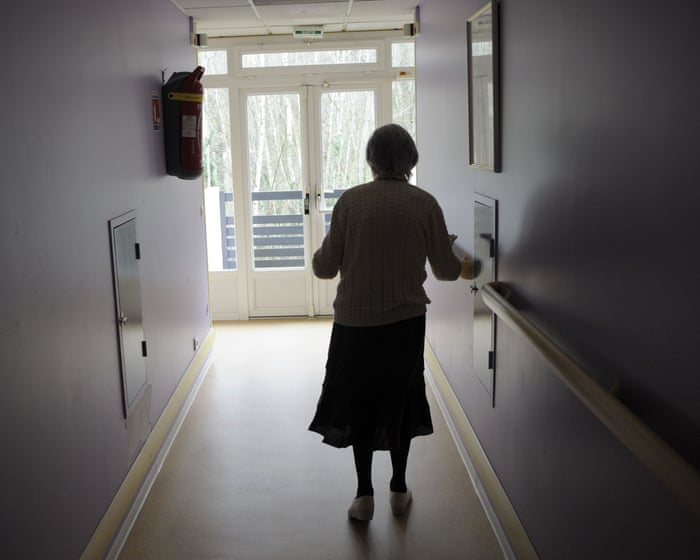
Ruling removes ‘vital’ UK safeguards for severely disabled people, charities warn
Summary
A UK Supreme Court ruling has changed important legal protections for severely disabled adults in care homes and hospitals. Many people who cannot make decisions for themselves may lose the right to independent checks that ensure their care is safe and proper.Key Facts
- The ruling removes "deprivation of liberty safeguards" (Dols) for some adults lacking mental capacity, such as those with autism, severe learning disabilities, serious mental illness, and advanced dementia.
- Dols are legal protections that ensure people in care receive treatment with their best interests in mind and are not unlawfully restricted.
- The UK Department of Health and Social Care and Northern Ireland challenged the existing Dols framework, saying it created unnecessary bureaucracy.
- Disability charities warn the change could increase the risk of abuse and neglect for vulnerable people without proper oversight.
- The ruling interprets that people who do not actively object to their care, even if sedated or restrained, are seen as consenting, which ends legal protections.
- Past abuses in care homes, like Winterbourne View and the case of Connor Sparrowhawk, showed why independent monitoring is important.
- The changes will happen without public debate, parliamentary discussion, or formal risk assessments, according to campaigners.
- Some officials believe the ruling will allow resources to focus on cases where people clearly object to care or are under extreme restrictions.
Read the Full Article
This is a fact-based summary from The Actual News. Click below to read the complete story directly from the original source.