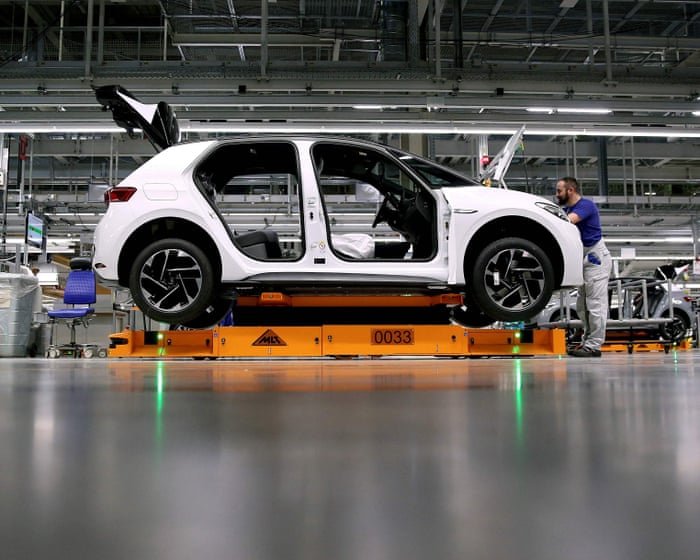
Car industry pressing EU for further delay to Brexit EV tariffs
Summary
The EU and UK car industries are asking the European Commission to delay tariffs on electric vehicle (EV) imports linked to Brexit rules. They say they will not meet the rules requiring more car and battery parts to be made in Europe by 2027 to avoid tariffs, mainly due to slow battery production growth in Europe.Key Facts
- The Brexit trade deal requires 55% of a car’s value, plus large parts of batteries, to be made in Europe by January 1, 2027, to avoid import tariffs.
- Current rules require 70% of battery packs and 65% of battery cells to be made in Europe by that date.
- The European Commission already delayed these rules once until the end of 2024.
- Industry experts say only about 20% of batteries will be made in Europe by 2027, much less than the required amount.
- Battery production in Europe is slow due to high costs, difficulties in raw material supply, and competition with China, which dominates key materials like lithium.
- Opening a mine and building battery production in Europe is expensive, possibly costing around $750 million.
- Industry leaders want the EU and UK to find a practical solution to avoid tariffs that could hurt EV sales and investment.
- The European Commission is in talks with stakeholders but has not announced changes yet.
Read the Full Article
This is a fact-based summary from The Actual News. Click below to read the complete story directly from the original source.