What the data does and doesn't tell us about asylum seekers in Northern Ireland
Summary
A Sudanese refugee accused of attempted murder in Belfast entered Northern Ireland by crossing the border from the Republic of Ireland, taking advantage of the open border within the Common Travel Area (CTA). The lack of strict border checks complicates tracking asylum seekers arriving this way, and available data shows 2,379 people received asylum support in Northern Ireland as of March 2026.Key Facts
- A Sudanese man charged with attempted murder traveled from Dublin to Belfast in 2023 and received refugee status in Northern Ireland the same year.
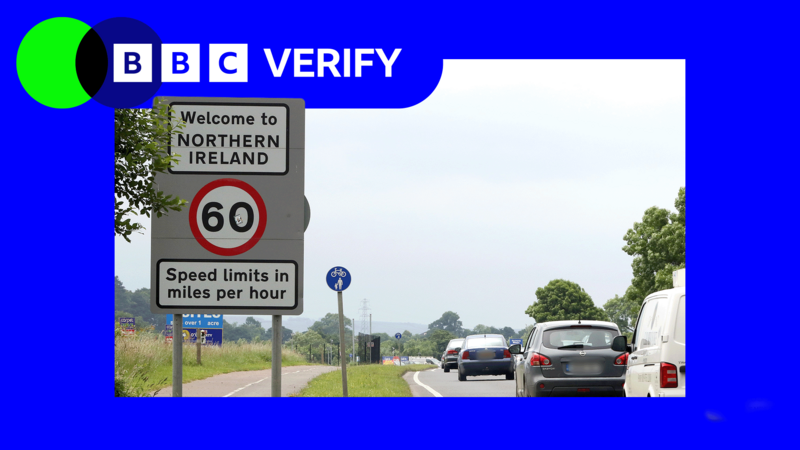
- The border between Northern Ireland and the Republic of Ireland has no regular immigration checks due to the Common Travel Area (CTA), allowing passport-free travel for UK and Irish citizens.
- Non-citizens must show documents, but some can cross without detection due to limited border controls.
- The CTA was set up in 1922 and includes the UK, Republic of Ireland, and some nearby islands, allowing free travel for citizens of these places.
- The UK operates "Operation Gull," a police effort to manage illegal border crossings and immigration.
- People found without the right to be in the CTA can be detained and sent back to Ireland unless they claim asylum, in which case they enter the UK asylum system.
- As of March 2026, 2,379 asylum seekers were receiving support in Northern Ireland, the lowest among UK regions but average per population size.
- Belfast hosts the largest number of asylum seekers in Northern Ireland, with most living in shared housing instead of hotels.
- UK-wide data shows 7,740 asylum seekers arrived through "other" routes, including the CTA, but it does not specify how many came to Northern Ireland.
- There is some information showing asylum seekers also travel from Northern Ireland to the Republic of Ireland.
Read the Full Article
This is a fact-based summary from The Actual News. Click below to read the complete story directly from the original source.