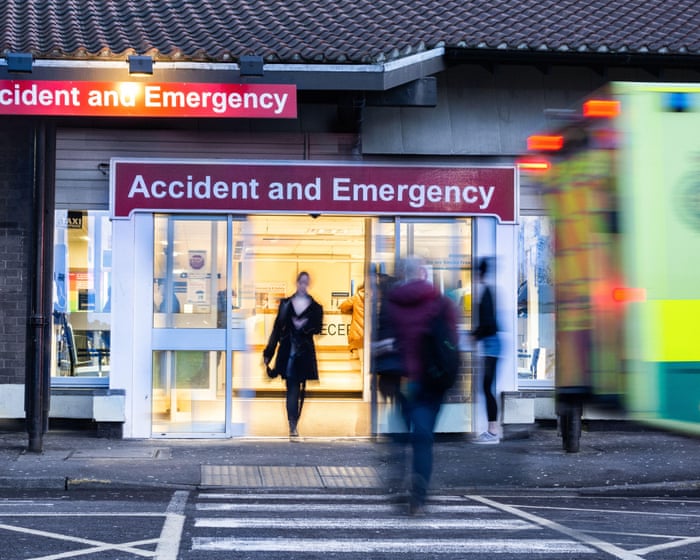
A&E patients with non-urgent ailments may be told to come back later under NHS plans
Summary
The NHS in England plans to use a digital system to assess patients who come to A&E (emergency rooms) with minor illnesses. This system will help decide who needs immediate care and who can be given a later appointment or referred to other local health services, aiming to reduce overcrowding and waiting times.Key Facts
- Eighteen hospitals in England already use a digital triage system to assess patients when they arrive at A&E.
- Patients with urgent needs receive immediate treatment, while those with minor issues may be asked to come back later or see a GP or pharmacist.
- NHS England’s chief executive, Jim Mackey, encourages all hospitals to adopt this "hi-tech concierge service" to prevent emergency departments from becoming crowded.
- The digital triage tool has helped some hospitals cut average waiting times by almost half (from 178 to 94 minutes in one case).
- The Royal College of Emergency Medicine reported that overcrowding in A&E contributes to over 1,300 patient deaths per month in England.
- Bookable appointments and digital triage together aim to bring order to emergency care and reduce delays, especially during winter.
- Patient groups warn that digital triage must be accessible to everyone, including older people and those without good digital skills or access.
- Clear information must be given to patients told to come back later, so they know what to do if their condition gets worse.
Read the Full Article
This is a fact-based summary from The Actual News. Click below to read the complete story directly from the original source.