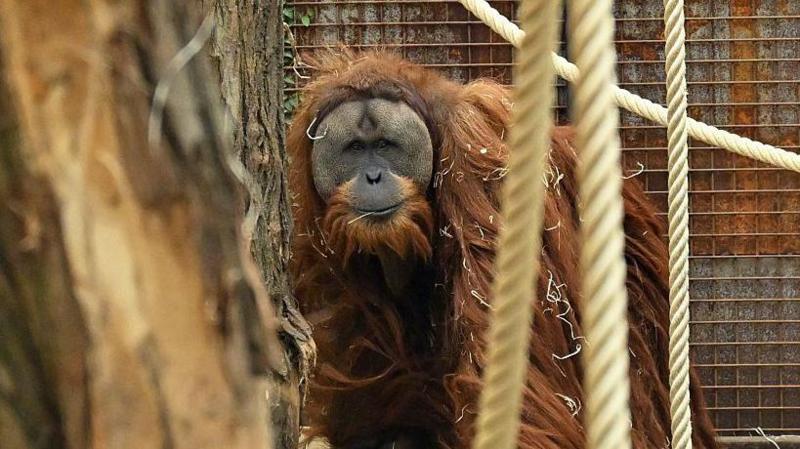
Four days of extreme rain killed 7% of world's rarest orangutans, study says
Summary
Four days of heavy rain and landslides caused by Cyclone Senyar in November killed about 58 of the rare Tapanuli orangutans in Sumatra, representing around 7% of the remaining population. This event highlights the threat extreme weather and climate change pose to this species, which is critically endangered and was discovered only in 2017.Key Facts
- The Tapanuli orangutan is the rarest great ape, with fewer than 800 individuals left.
- Cyclone Senyar hit Sumatra in late November, causing widespread damage and over 1,000 human deaths.
- The storm killed an estimated 58 Tapanuli orangutans, about 7% of their population.
- This number is higher than earlier estimates and does not include indirect impacts like food shortage.
- The orangutans live in the Batang Toru forest area, where the Indonesian government has paused major developments.
- Researchers warn that losing more than 1% of the population each year risks extinction.
- Climate change is increasing the frequency and severity of extreme rain events in the region.
- Saving the species requires ongoing global support, better protection plans, and coordinated action.
Read the Full Article
This is a fact-based summary from The Actual News. Click below to read the complete story directly from the original source.