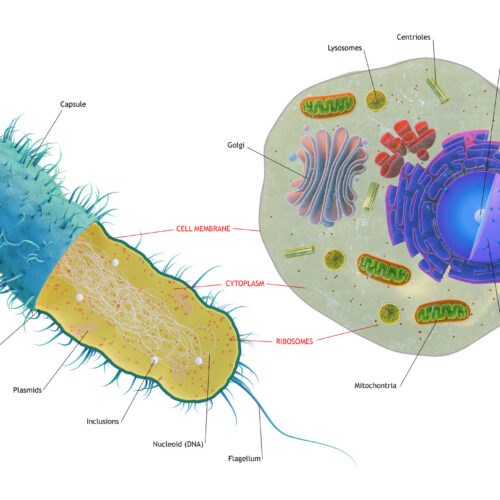
The first complex cells had genes from a complex mix of species
Summary
Scientists studied the genes of complex cells called eukaryotes, which include human cells. They found that these cells have genes from a mix of different types of ancient bacteria and archaea, not just from one fusion event as previously thought. The research shows gene transfer happened in several waves over time.Key Facts
- Complex cells (eukaryotes) have genes from both bacteria and archaea.
- These cells likely began from a fusion of an archaeal cell and a bacterial cell.
- The bacteria involved evolved into mitochondria, the cell’s energy producers.
- Many bacterial genes moved into the cell’s nucleus over time.
- New research shows multiple gene transfers occurred, not just one.
- Archaea and bacteria swap genes often, a process called horizontal gene transfer.
- Discoveries like Asgard archaea link eukaryotes closely to archaea.
- Scientists face challenges defining which genes were in the first eukaryotes because gene transfer is complex.
Read the Full Article
This is a fact-based summary from The Actual News. Click below to read the complete story directly from the original source.