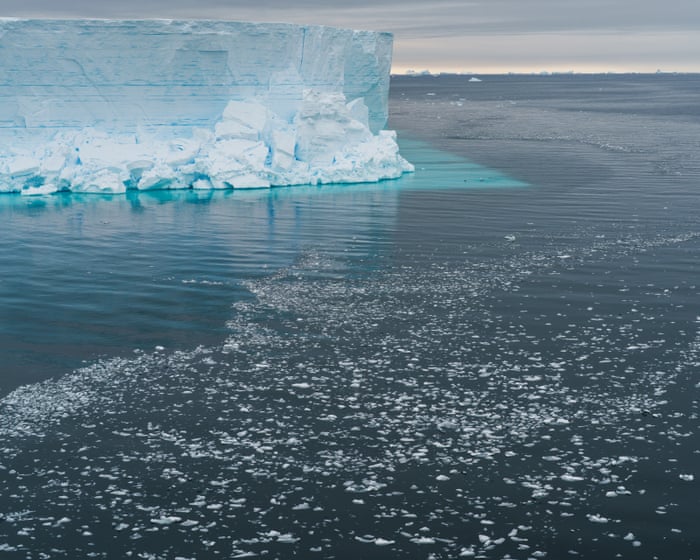
Antarctica’s west coast missing an area of sea ice the size of France as temperatures peak 20C above average
Summary
Antarctica’s west coast is missing a large area of winter sea ice, about the size of France, mainly around the Bellingshausen Sea. This unusual loss of sea ice is linked to very high temperatures and could harm local wildlife like penguins and krill, as well as contribute to rising global sea levels.Key Facts
- The Bellingshausen Sea near Antarctica’s west coast is almost completely free of winter sea ice, about 650,000 square kilometers less than usual.
- This area normally freezes over in winter, but recent satellite images show little to no ice there.
- Temperatures recently reached 15.4°C, which is more than 20°C above the normal average for that region and season.
- Scientists warn that the loss of sea ice could worsen heatwaves on the Antarctic Peninsula.
- The missing ice affects krill, a small sea animal that is important food for many Antarctic species.
- Emperor penguin chicks died in large numbers last year due to breeding failures linked to changing ice conditions.
- The loss of sea ice could speed up the melting of nearby glaciers, raising global sea levels.
- Experts believe changes in the ocean and possibly global warming are causing these unusual conditions.
Read the Full Article
This is a fact-based summary from The Actual News. Click below to read the complete story directly from the original source.