Jamaica’s beach access crisis: ‘We shouldn’t be forced to fight for what is already ours’
Summary
Communities in Jamaica are fighting for access to local beaches that have been blocked or restricted due to large all-inclusive tourism developments. Activists say these developments benefit wealthy outsiders and elites while keeping many Jamaicans away from places important for their culture and livelihood. Legal battles are underway over access to several beaches, highlighting long-standing issues with land rights and tourism policies.Key Facts
- Mammee Bay and other beaches in Jamaica have been blocked by fences and security due to all-inclusive hotel projects.
- Local people have protested and tried to reclaim access but faced obstacles like concrete walls and security forces.
- Some protests were met with violence, including gunshots to disperse people.
- Five court cases about beach access are scheduled, involving multiple locations including Mammee Bay, Little Dunn’s River, Blue Lagoon, Bob Marley beach, and Flankers/Providence beach.
- Many beaches are on "crown land" once owned by the British monarchy and now controlled by the Jamaican government.
- The 1956 Beach Control Act governs these lands and requires government permission for development or use.
- Activists call the tourism model "plantation tourism" because it exploits local workers and concentrates wealth with elites and foreign investors.
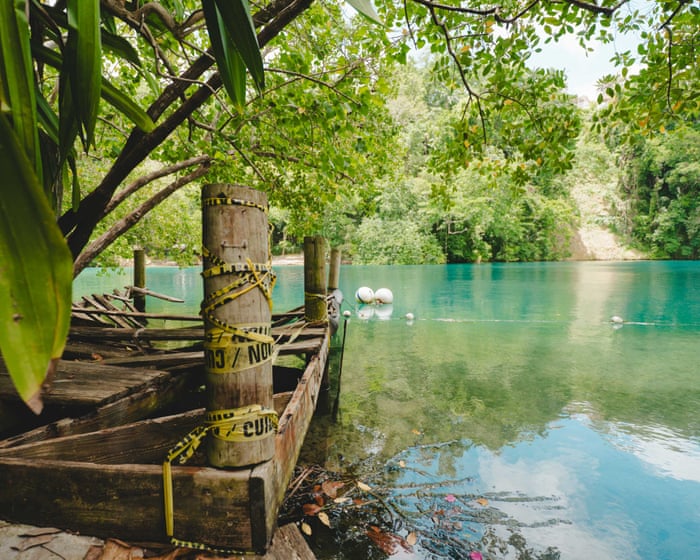
- In Portland, locals accuse authorities of misleading them by closing public access to Blue Lagoon under false promises, intending to build private homes instead.
Read the Full Article
This is a fact-based summary from The Actual News. Click below to read the complete story directly from the original source.