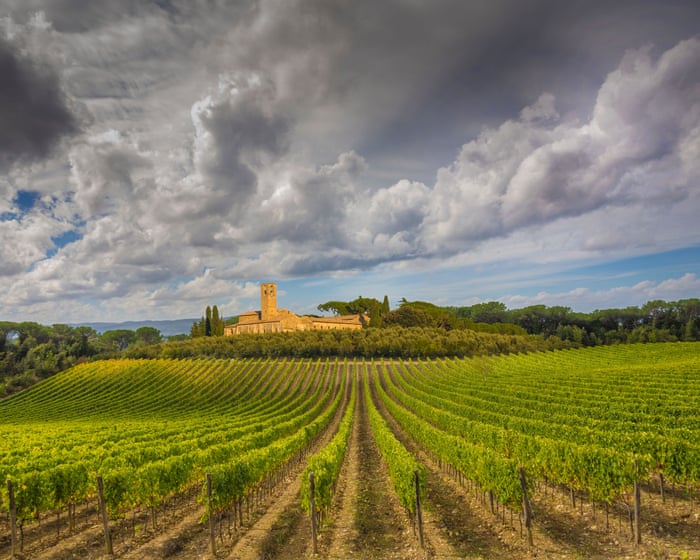
DNA from 2,000-year-old grape seeds points to origins of modern winemaking
Summary
Scientists studied DNA from 2,000-year-old grape seeds found in Tuscany, Italy, revealing that the grapevine varieties were part of the Roman Empire’s advanced farming system. The research showed that white grapes were most common at the site, which was surprising because the region today is known for red wines.Key Facts
- DNA was extracted from grape seeds found in ancient wells at Cetamura del Chianti, Tuscany.
- The seeds dated from around 300 BC to 300 AD, covering Etruscan and Roman times.
- Most seeds belonged to one grape variety that was passed down from the Etruscans to the Romans.
- Genetic tests showed this main grape produced white grapes, not red.
- The site later had new grape varieties likely introduced from other parts of the Roman Empire.
- The dominant vine at Cetamura was related to ancient grapes found in southern France.
- This research shows that the Roman Empire had a widespread network for agriculture and wine-making.
- Today’s famous red Chianti wines came after these ancient white grape varieties.
Read the Full Article
This is a fact-based summary from The Actual News. Click below to read the complete story directly from the original source.