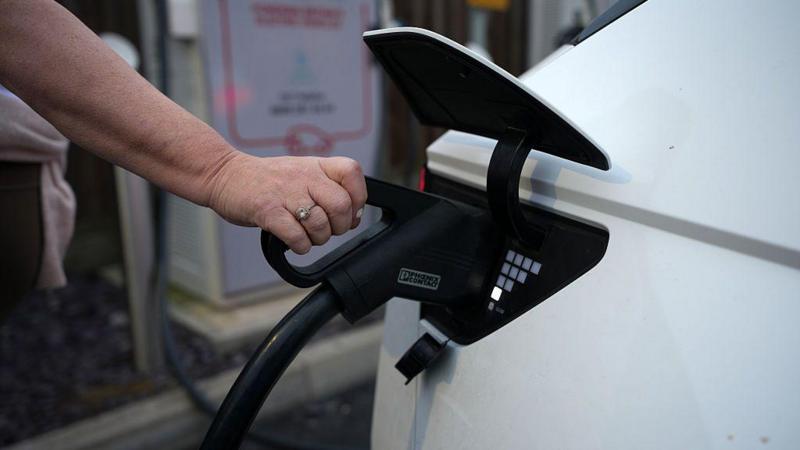
UK electric car sales target set to be weakened
Summary
The UK government plans to lower its target for new electric car sales by 2030 from 80% to somewhere between 50% and 70%. The change follows pressure from car makers and unions concerned about costs and jobs, while sustainability groups warn this could hurt climate goals.Key Facts
- Current UK target requires 80% of new cars sold by 2030 to be electric vehicles (EVs).
- The government will consult on lowering this target, with possible new goals between 50% and 70%.
- The original ban on new petrol and diesel cars by 2030 was announced in 2020, then postponed to 2035 by former Prime Minister Rishi Sunak.
- Car makers must meet annual EV sales targets increasing each year until 2030, with fines of £15,000 per car if they miss targets.
- Car makers have discounted EVs heavily, costing the industry over £10 billion in two years.
- Industry groups warn that reducing the mandate could cost UK jobs and investments.
- Some buyers hesitate to buy EVs due to concern about driving range and charging availability.
- Sustainability experts say lowering targets could reduce investment in EV charging infrastructure.
Read the Full Article
This is a fact-based summary from The Actual News. Click below to read the complete story directly from the original source.