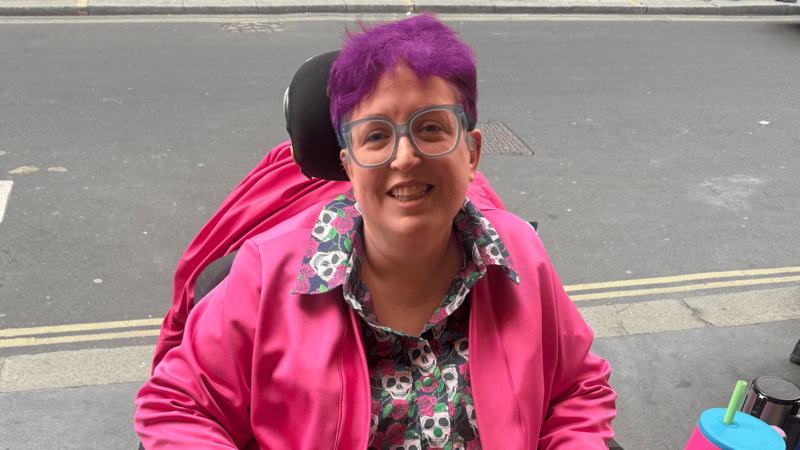
Jurors, lawyers and social workers face 'resilience test' in inaccessible courts
Summary
Many courts in the UK have problems with accessibility for disabled people, making it hard for them to participate fully as jurors, lawyers, or social workers. Courts are legally required to make reasonable changes to help disabled people, but many still face barriers like lack of nearby parking, stairs without ramps or lifts, and no accessible toilets.Key Facts
- Disabled social worker Vikki Walton-Cole struggled with inaccessible courts and decided to leave social work because of these barriers.
- Courts often lack nearby disabled parking and have rooms only reachable by stairs.
- Some disabled jurors, like Walton-Cole and Victoria Gerrard, experienced stress and vulnerability due to poor court access and lack of support.
- Victoria Gerrard, a wheelchair user, had to be escorted through public areas and felt exposed during her jury service.
- Barrister Holly Girven praised some court staff but faced unsafe ramps and was sometimes unable to access court floors during hearings.
- Courts must follow the Equality Act and provide reasonable adjustments, but many fail to fully meet these requirements.
- When court lifts are broken, disabled lawyers sometimes have to join hearings remotely, even if they are physically nearby.
- HM Courts and Tribunals Service says they are working with disability groups to improve access.
Read the Full Article
This is a fact-based summary from The Actual News. Click below to read the complete story directly from the original source.